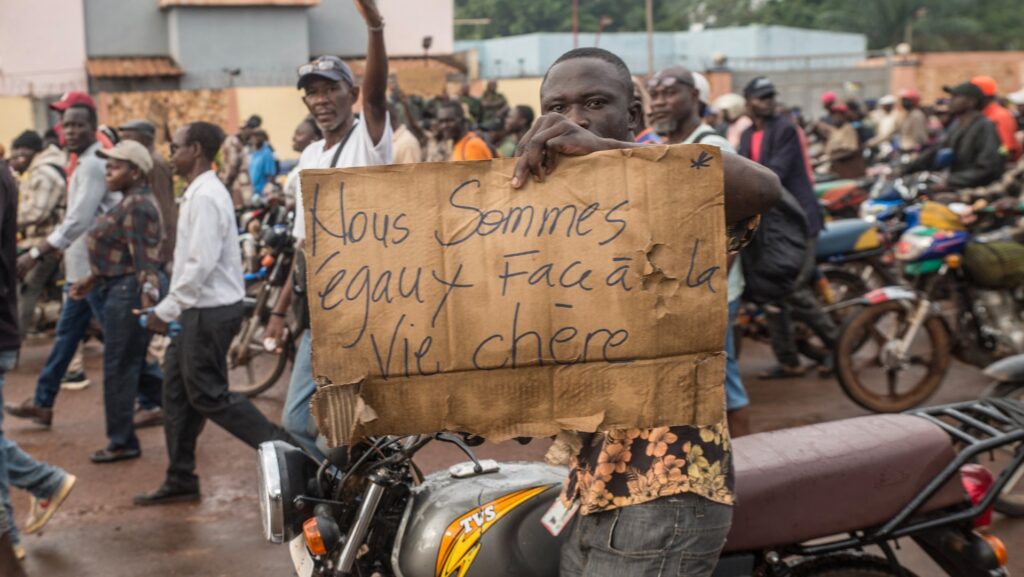
In the Central African Republic (CAR), hundreds of protesters have taken to the streets of the capital, Bangui, expressing their anger over rising fuel prices and recent arrests. This wave of protests highlights growing public frustration as everyday expenses soar, straining the finances of many citizens in the country.
Fuel prices have surged dramatically in recent months due to a combination of global energy market fluctuations and local economic challenges. The sharp rise in fuel costs has not only increased transportation expenses but has also driven up the prices of goods and services across the nation, deeply affecting the daily lives of ordinary people.
The protests began as peaceful gatherings but have occasionally seen confrontations with security forces. Several demonstrators were arrested during these clashes, which further intensified public outrage. The arrests have been viewed by many as an attempt to suppress dissent, fueling more protests and calls for government accountability.
Citizens demand the government take immediate action to stabilize fuel prices and release those detained during the demonstrations. They argue that without affordable fuel, economic recovery and social stability remain elusive.
Experts warn that continued unrest in the CAR could undermine already fragile political and economic systems. The country, still recovering from years of conflict and instability, faces a critical moment where addressing economic grievances and respecting human rights must take center stage.
International observers and humanitarian organizations have urged the CAR government to engage in dialogue with protest leaders to defuse tensions and seek solutions that prioritize citizens’ well-being and promote peace.
As the situation unfolds, the people of Bangui and the wider Central African Republic remain steadfast in their demands for justice, fair pricing policies, and respect for civil liberties, signaling a pivotal juncture for the nation’s governance and future stability.