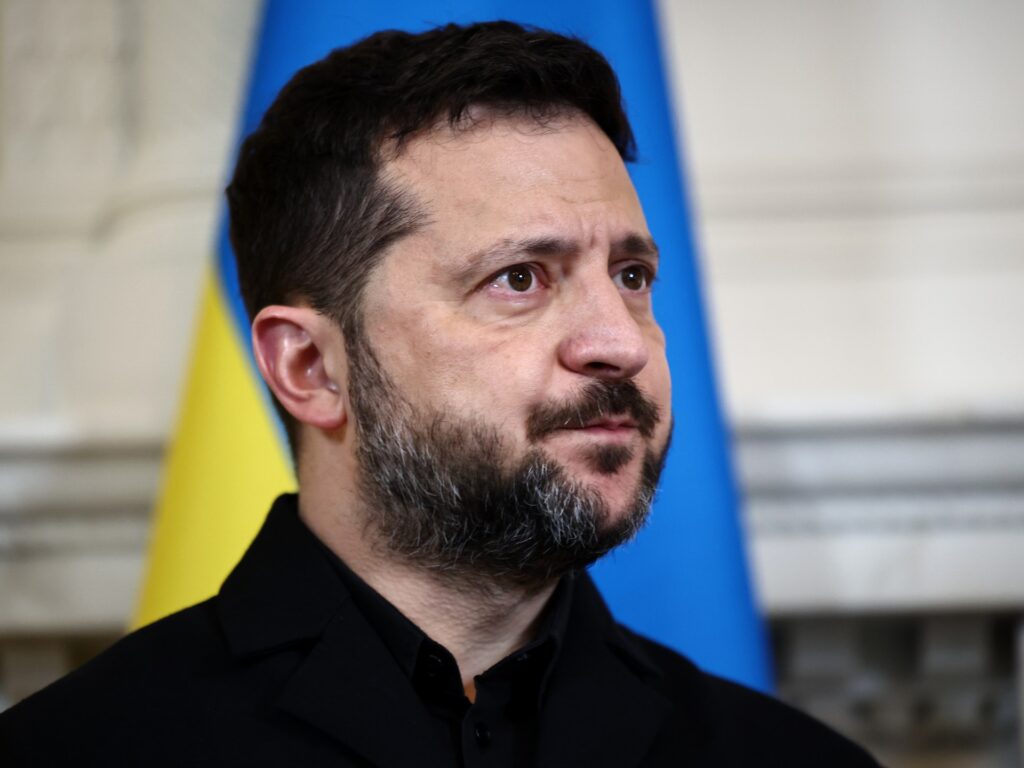
In a recent development that has escalated tensions in the region, three people were killed in Russia amidst claims from Ukraine’s leadership about discussions with the United States regarding NATO membership. Ukrainian President Volodymyr Zelenskyy revealed that the US had, for the first time, inquired if Kyiv would consider ceding territory to Moscow as part of negotiations to join NATO.
The incident resulting in the deaths in Russia remains under investigation, but Ukrainian officials have linked the violence to the ongoing conflict and political strife between the two nations. This tragic loss of life occurs as diplomatic efforts fluctuate, and geopolitical stakes rise in the region.
President Zelenskyy’s statement marked a significant shift in the discourse surrounding Ukraine’s NATO bid. According to Zelenskyy, the US inquiry about territorial concessions reflects a complex diplomatic maneuver, suggesting that membership in the NATO alliance may come with challenging compromises.
Ukraine’s desire to join NATO has been a pivotal issue since the conflict with Russia intensified. NATO membership is seen by Kyiv as a crucial step toward strengthening its security and asserting its sovereignty against Russian aggression. However, Russia has vehemently opposed Ukraine’s NATO aspirations, viewing it as a direct threat to its sphere of influence and national security.
The US government’s position on NATO enlargement has always been cautious but supportive of Ukraine’s Euro-Atlantic integration goals. The conversation about potential land concessions, as mentioned by Zelenskyy, introduces a new layer of complexity, potentially signaling a readiness to explore difficult diplomatic solutions under international pressure.
This revelation has sparked debate among analysts and policymakers about the implications of territorial negotiations on the integrity and future of Ukraine. Critics worry that any concession of land to Moscow could set a dangerous precedent and undermine Ukraine’s sovereignty, while supporters argue that pragmatic diplomacy might be necessary to achieve peace and security.
The broader geopolitical context involves ongoing military confrontations in the Donbas region and the annexation of Crimea by Russia in 2014, events that have deeply affected regional stability and international relations. Ukraine’s leadership continues to navigate these challenges while seeking stronger international alliances.
International responses to these revelations have been mixed, with NATO allies expressing cautious support for Ukraine, while also underscoring the importance of territorial integrity and the principles of international law. The incident in Russia that resulted in three fatalities further complicates this already volatile situation.
As Ukraine grapples with these critical issues, the world watches closely. The potential trade-off between NATO membership and territorial concession remains a contentious topic, highlighting the difficult choices facing Ukrainian leadership and their international partners.
Continued dialogue and transparent negotiations are essential in resolving the conflict and ensuring a secure and stable future for Ukraine and the surrounding region. The international community remains hopeful that despite the tragic loss of life and political tensions, a path toward peace can still be forged through careful diplomacy and respect for sovereignty.
This latest development is a stark reminder of the human cost and political complexities involved in the ongoing conflict between Ukraine and Russia, and the broader struggle for influence and security in Eastern Europe.