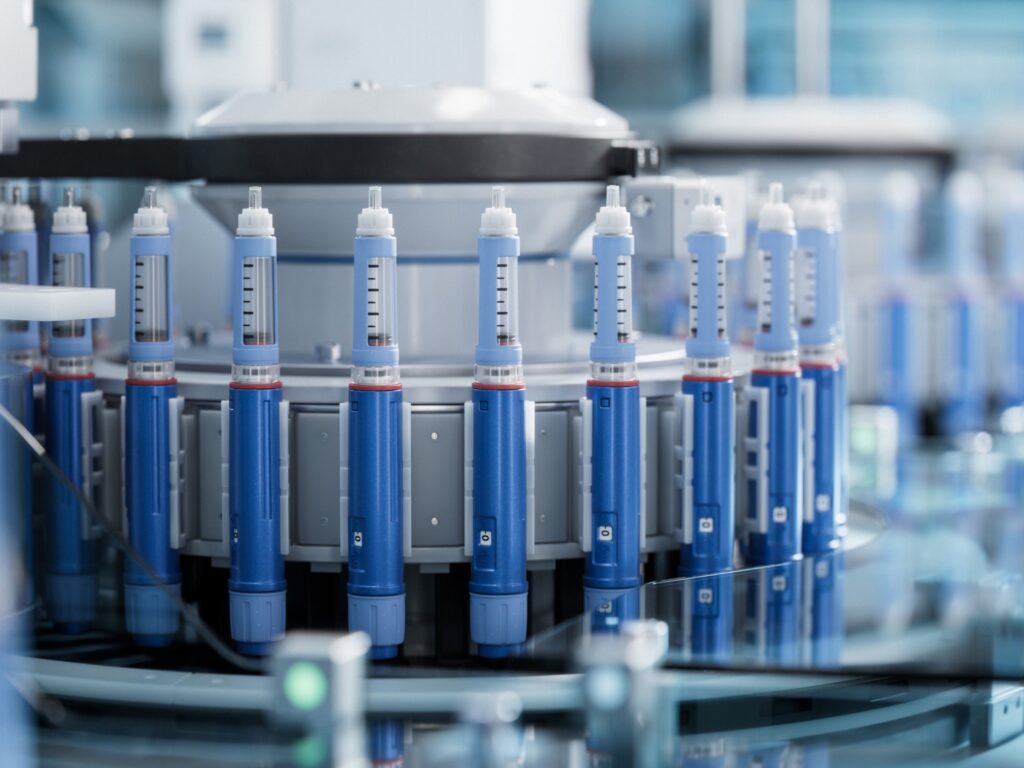
Diabetes is a growing global health crisis, with one in nine people worldwide living with the condition. The burden is particularly heavy in the Global South, where access to effective treatment remains a significant challenge. Traditionally, diabetes management has relied heavily on injectable medications, such as insulin, which can pose barriers to treatment due to their cost, storage requirements, and complexity of administration.
Recent advancements in pharmaceutical development have introduced a new wave of oral medications for diabetes. These tablets promise to simplify treatment regimens, improve patient adherence, and potentially widen access to care, especially in resource-constrained settings.
The transition from injectable drugs to oral tablets is expected to significantly narrow the treatment gap in low- and middle-income countries. Injectable treatments often require medical supervision and cold-chain storage, limiting their availability in rural and remote areas. Oral pills, on the other hand, are easier to distribute, store, and administer, fostering broader reach.
Clinical trials and real-world studies indicate that these oral medications can be as effective as their injectable counterparts in controlling blood glucose levels. Furthermore, patients report greater satisfaction and compliance due to the convenience and pain-free mode of administration.
Healthcare systems in the Global South face numerous hurdles, including limited healthcare infrastructure, low health literacy, and financial constraints. A single daily pill could address several of these challenges by reducing the need for frequent clinic visits, lowering treatment costs, and empowering patients to manage their condition more independently.
Pharmaceutical companies are increasingly focusing on developing affordable and accessible oral diabetes treatments suited for diverse populations. Partnerships between governments, non-governmental organizations, and private sectors are crucial to subsidize costs and facilitate distribution.
Despite the promising potential of oral diabetes medications, there remain obstacles to overcome. Regulatory approvals, ensuring medication quality, combating counterfeit drugs, and educating healthcare providers and patients are essential components for successful implementation.
Moreover, comprehensive diabetes care involves lifestyle modifications, regular monitoring, and addressing comorbidities, which require sustained healthcare support beyond medication.
In conclusion, the introduction of one daily pill for diabetes treatment could represent a transformative step in bridging the diabetes treatment gap in the Global South. By overcoming logistical and economic barriers, oral tablets have the potential to revolutionize diabetes care, improve health outcomes, and reduce the global burden of this chronic disease.
The global health community must prioritize access to these innovative treatments and strengthen health systems to ensure equitable diabetes care for all.