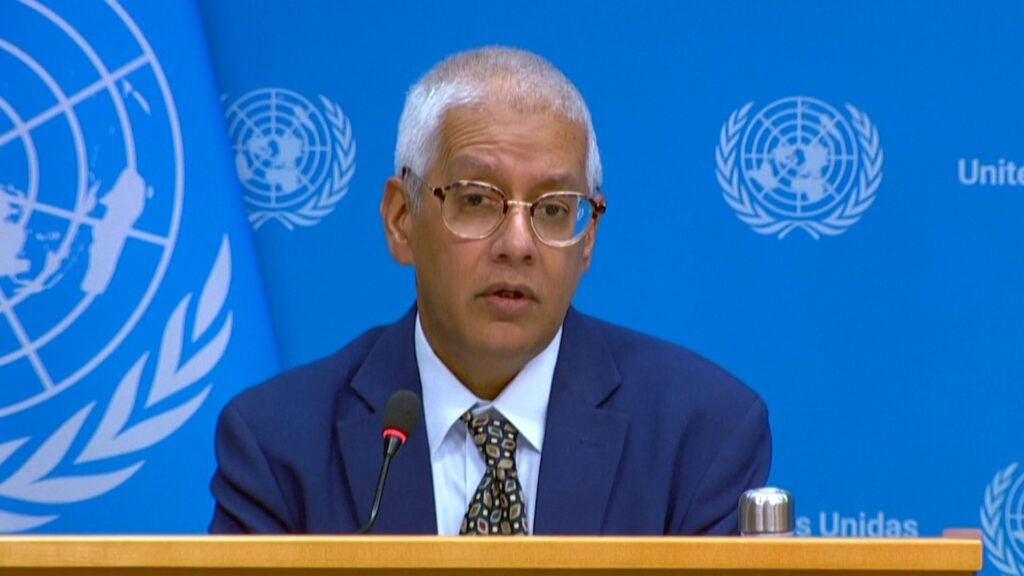
The United Nations has issued a strong statement criticizing Israeli policies for worsening the deadly impact of a recent winter storm in Gaza. According to the UN, many deaths and extensive destruction caused by the storm could have been prevented if Israel had allowed sufficient aid and humanitarian assistance to reach the affected areas within Gaza.
The winter storm ravaged Gaza, leading to severe flooding, infrastructure damage, and loss of life. These harsh weather conditions created a dire situation for the civilian population, many of whom already face significant hardships due to ongoing conflicts and blockades.
UN officials stressed that access to humanitarian aid, including medical supplies, emergency shelter materials, and essential food and water, was critically delayed or denied under existing restrictions. This severely limited the ability of local authorities and international organizations to respond effectively to the disaster and assist vulnerable communities.
The statement argued that Israel’s control over Gaza’s borders and restrictions on goods and services significantly hindered timely and adequate relief efforts. While security concerns have been cited by Israel as justification for these policies, the UN emphasized the urgent need to balance security with humanitarian responsibilities, especially during emergencies like the winter storm.
Human rights groups have echoed the UN’s concerns, highlighting that the blockade and movement restrictions have long exacerbated Gaza’s humanitarian crises. The winter storm’s catastrophic impact revealed the dangerous consequences of prolonged access limitations.
International aid agencies have called for immediate action to lift restrictions on aid flow to enable faster responses to future natural disasters and ongoing humanitarian needs in Gaza. They stress that political considerations must not obstruct essential relief work that saves lives.
The UN also urged all parties involved in the Israeli-Palestinian conflict to prioritize civilian safety and welfare, especially during crises. Ensuring unobstructed humanitarian operations is critical to preventing further loss of life from foreseeable emergencies.
This latest development underscores the complex interplay between geopolitical tensions and humanitarian challenges in Gaza. As the region faces frequent instability and environmental hazards, the need for cooperative humanitarian access remains vital.
In summary, the UN’s condemnation of Israeli policies following the Gaza winter storm highlights the severe consequences of restricted aid access. Allowing unhindered humanitarian assistance is essential to alleviating suffering and saving lives amid Gaza’s ongoing hardships.