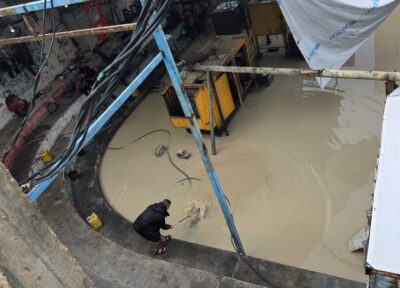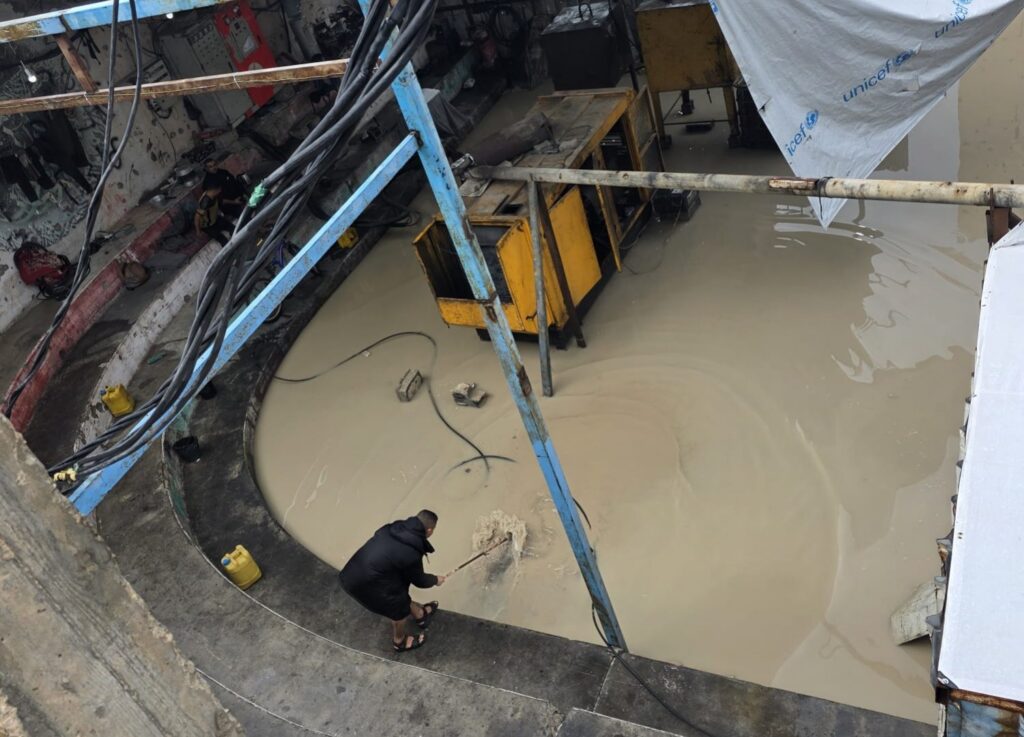
Gaza is facing a critical situation as heavy rains continue to fall, putting the region at risk of losing access to essential power and healthcare services. The persistent rainfall has caused widespread flooding in shelters and residential areas, exacerbating the hardships already faced by the population. The floods have damaged solar power systems, which many residents rely on due to the region’s unstable electricity supply. This destruction further limits access to electricity, threatening the operation of essential medical equipment and healthcare facilities.
Healthcare services in Gaza, already strained by years of conflict and blockade, are now at acute risk due to the impact of the rains. Flooding has complicated transportation for patients and medical staff, disrupted the supply of medicines and medical supplies, and caused damage to health centers and clinics. This situation is particularly dire for vulnerable groups such as children, the elderly, and those with chronic diseases who depend on continuous access to medical care.
The damage to solar power infrastructure is especially consequential, as it provides a crucial alternative energy source in a region where electricity outages are frequent and often prolonged. Solar panels and batteries are being washed out or rendered inoperative by the excessive water, and repairs are challenging under current conditions. Without reliable electricity, refrigeration of medicines, operation of ventilators, and other life-saving medical interventions are compromised.
Shelters and homes overwhelmed by the flooding are forcing many families into overcrowded conditions, increasing the risk of waterborne diseases and other health complications. Relief agencies are working to provide emergency assistance, but ongoing rains and damaged infrastructure make these efforts difficult.
The crisis highlights the urgent need for international support to protect Gaza’s power and healthcare infrastructure against extreme weather conditions. Investments in resilient energy systems, better drainage, and reinforced healthcare facilities could mitigate the impact of future storms.
Local authorities are calling for expedited aid and technical support to repair the damaged solar power systems and to restore healthcare services. They warn that if the rains persist without adequate response, Gaza’s already fragile healthcare system could face collapse, and the humanitarian situation could deteriorate further.
The combination of heavy rains, flooding, damaged power systems, and disrupted healthcare services presents a multifaceted crisis for Gaza. It underscores the broader vulnerabilities faced by the region amid ongoing political and economic challenges and the pressing need for sustainable solutions to ensure the well-being and safety of its residents in the face of environmental hazards.