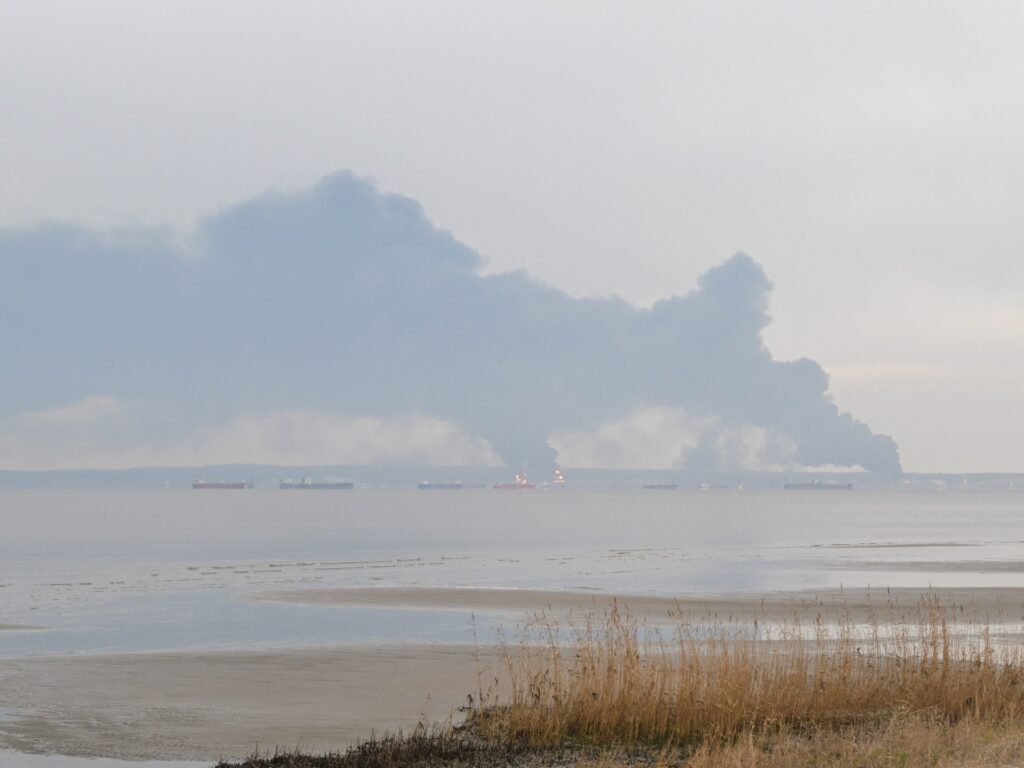
In a significant development in the Baltic region, Finland has detected a strike on a Russian warship. This incident occurred shortly before a series of high-profile diplomatic meetings involving US envoys and the presidents of Russia and Ukraine.
The attack report emerged as the US delegation was engaged in talks aimed at addressing ongoing tensions and conflict in Eastern Europe. The Baltic Sea, a strategically critical and often volatile area, has witnessed increased military activity amid the broader geopolitical struggle surrounding the Russia-Ukraine conflict.
Finnish defense authorities confirmed the detection of the strike but have not yet released detailed information regarding the nature or consequences of the attack. The strike underscores the growing intensity of military confrontations in the region and highlights the complex security challenges facing neighboring countries.
The timing of the strike coincides with diplomatic efforts to de-escalate the situation. US envoys held separate meetings with Russian President Vladimir Putin and Ukrainian President Volodymyr Zelenskyy, aiming to foster dialogue and encourage a resolution to the ongoing hostilities.
President Zelenskyy, during his meeting with the US delegation, emphasized the importance of international support in countering aggression and reinforcing Ukraine’s sovereignty and territorial integrity. Meanwhile, Russian officials have interpreted the strike in the context of rising tensions and ongoing maritime security challenges in the Baltic Sea.
The incident has prompted calls for increased vigilance and cooperation among Baltic Sea nations to prevent further escalations and ensure regional stability. Analysts suggest that the attack could have implications for broader NATO security postures and the coordination of allied defense strategies.
As investigations continue, the international community watches closely for any developments that could signal shifts in the geopolitical dynamics of Northern Europe. The incident serves as a stark reminder of the fragile peace and the persistent risks of conflict spreading in a strategically sensitive area.
Moving forward, diplomatic channels remain crucial to managing the crisis, with urgent appeals from multiple parties to avoid any actions that could further destabilize the region. The detection of the strike on the Russian warship adds a new dimension to the ongoing conflict, underscoring the interconnectedness of military actions and diplomatic efforts in the pursuit of peace and security in Europe.