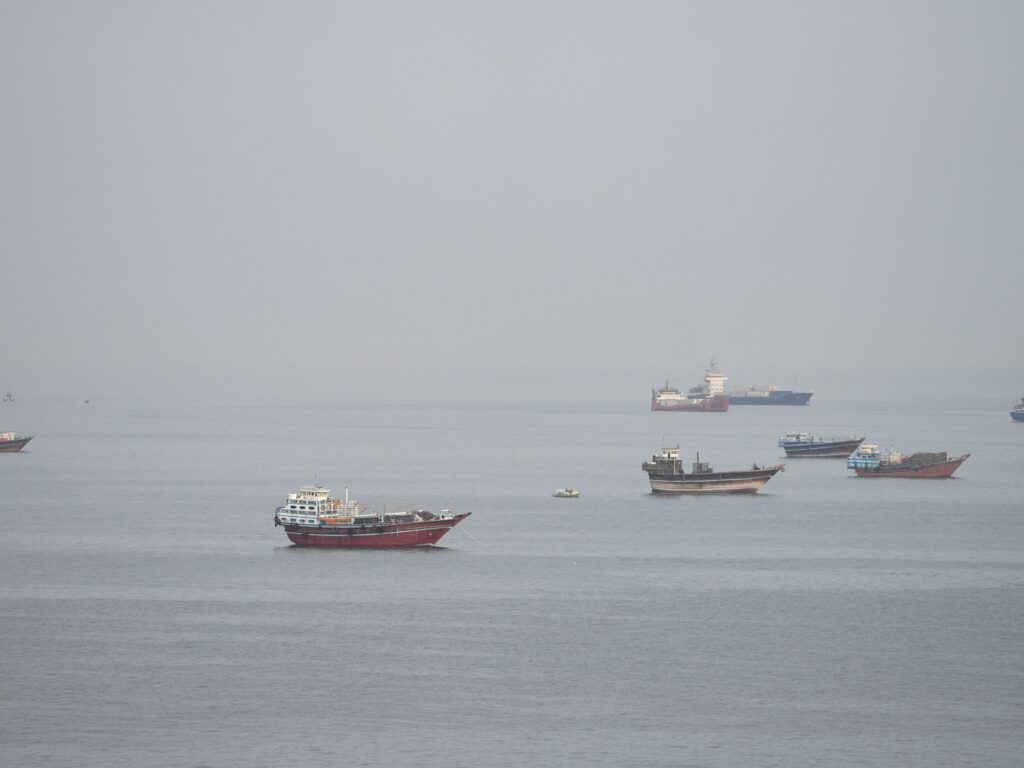
The United Nations has reported a grim toll of 25 seafarers killed in and around the strategically critical Strait of Hormuz since the outbreak of hostilities involving the US, Israel, and Iran. The conflict, which has intensified maritime hazards in this chokepoint through which a significant percentage of the world’s oil passes, poses a severe threat to seafarers’ safety and global trade stability.
Khaled Khiari, a UN representative, expressed deep concern about the deteriorating conditions at sea, emphasizing that “the situation cannot become the new normal.” His warning comes as diplomatic efforts continue to de-escalate the conflict that has ripple effects far beyond the immediate region.
The latest developments include reports from Iran of three additional vessels damaged by naval mines, further complicating navigation and raising tensions among maritime nations. These attacks on commercial shipping vessels highlight the growing risks faced by international shipping routes.
Experts have noted that the ongoing conflict disrupts not only the flow of energy supplies but also threatens global economic stability. The Strait of Hormuz, due to its narrowness and geopolitical importance, remains a flashpoint susceptible to further aggression, potentially escalating into broader conflict.
International calls for restraint have been echoed in numerous forums, stressing the importance of upholding maritime law and ensuring safe passage through international waters. The deaths of seafarers are a stark reminder of the human cost of geopolitical conflicts that play out in vital maritime corridors.
Khaled Khiari and UN officials are urging all parties involved in the conflict to prioritize the protection of civilians and to avoid actions that would further endanger maritime safety. They stress the necessity of maintaining open and secure sea lanes for the benefit of global commerce and peace.
Efforts to clear mines and improve maritime security are underway, but the situation remains volatile. The international community watches closely, recognizing that stability in the Strait of Hormuz is crucial not only for regional peace but also for the broader global economy.
As the situation develops, the UN continues to advocate for diplomatic negotiations and peaceful resolutions, hoping to prevent further loss of life and maintain essential international trade routes. The plight of seafarers caught in conflict zones underscores the need for heightened international cooperation and vigilance.
In conclusion, the increasing number of casualties among seafarers around the Strait of Hormuz signals an urgent call for action. The UN’s firm stance highlights the necessity of preventing this dangerous situation from becoming an accepted reality, calling on all nations to contribute to peace and security at sea.