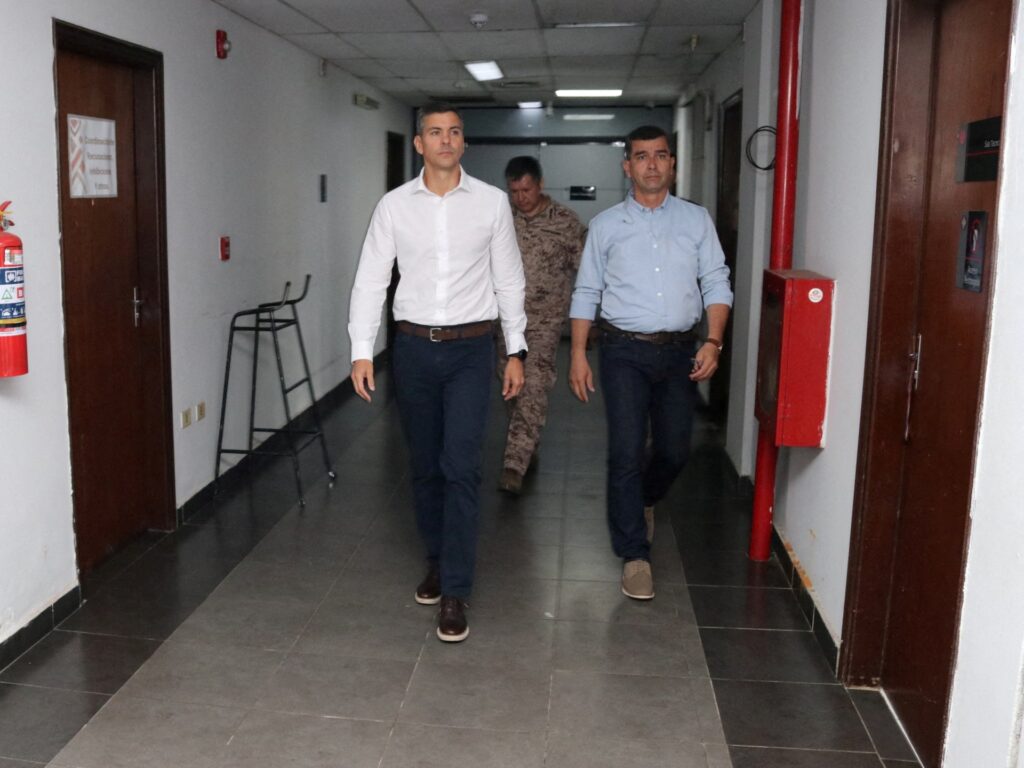
Paraguay’s former president, Horacio Cartes Pena, has been hit with a new criminal association charge linked to the collapse of the Ueno Bank. This development comes just a week after his removal from office, marking a significant escalation in legal actions against him.
The charge centers on Pena’s alleged involvement in a criminal association that is believed to have played a crucial role in the downfall of Ueno Bank, which has sent shockwaves throughout Paraguay’s financial and political sectors. The bank collapse has raised serious concerns regarding governance and regulatory oversight in the country’s banking industry.
Authorities allege that Pena, during his tenure, may have facilitated or participated in activities that contributed to the bank’s instability, potentially through illicit networks or abuse of influence. Investigations have been ongoing, aiming to uncover the full extent of the involvement of top political figures in the financial mismanagement leading to the collapse.
This latest charge adds to the growing list of accusations faced by Pena, who has long been a controversial figure in Paraguayan politics. His critics have accused him of corruption and misuse of power, charges he has consistently denied. Supporters argue that the accusations are politically motivated and aimed at discrediting his legacy.
The Ueno Bank failure has had far-reaching impacts on the country’s economy, affecting thousands of depositors and shaking investor confidence. Government officials have stated that restoring trust in the banking system is a priority, and they are committed to pursuing justice to hold responsible parties accountable.
Legal experts suggest that the criminal association charge could lead to a complex and prolonged judicial process, given the high-profile nature of the accused and the intricacies of financial crimes. The case is expected to draw intense public and media attention, highlighting issues of transparency and accountability in Paraguay’s institutions.
In response to the charges, Pena’s legal team has expressed their intention to vigorously defend against the allegations, asserting that no evidence supports claims of his direct involvement in criminal activities tied to the bank’s collapse. They emphasize his commitment to cooperating with the investigation under the principle of due process.
This situation underscores the broader challenges Paraguay faces in combating corruption and reinforcing the integrity of its financial sector. Observers view the proceedings as a crucial test for the nation’s judicial system and its ability to impartially adjudicate matters involving former high-ranking officials.
As the investigation progresses, the public and political analysts will be closely monitoring developments, recognizing the significant implications for Paraguay’s political stability and economic order. The outcome of this case could set important precedents for how financial crimes involving political figures are handled in the future.