The conflict in Yemen continues to intensify, causing significant humanitarian challenges as fighting grips various regions of the country. The ongoing war has resulted in substantial civilian displacement, highlighting the dire need for international attention and assistance. In the midst of this crisis, important geopolitical developments are unfolding with Qatar and Turkiye signing a pivotal defence agreement in Doha and Ankara. This agreement pledges joint action against external attacks, underscoring a new strategic partnership aimed at addressing regional security concerns.
Yemen’s enduring conflict, influenced by broader regional tensions involving Iran and other powers, remains a focal point of instability in the Middle East. The recent escalation has displaced thousands of civilians, forcing urgent humanitarian relief efforts while complicating peace negotiations.
The defence pact between Qatar and Turkiye marks a significant step towards strengthening military cooperation between the two countries. Announced in simultaneous ceremonies in Doha and Ankara, the accord commits both nations to coordinate joint defence strategies and enhance their capabilities to counter external threats. Analysts interpret this deal as a direct response to growing security challenges in the Gulf and surrounding regions, as well as an effort to assert their influence amid the complex dynamics involving Iran’s role in Middle Eastern conflicts.
This development follows years of diplomatic moves by Qatar and Turkiye to deepen their bilateral relations, with a focus on defence, economic cooperation, and political alignment. The partnership could potentially shift power balances, particularly as both countries have vested interests in the Yemeni conflict and broader regional stability.
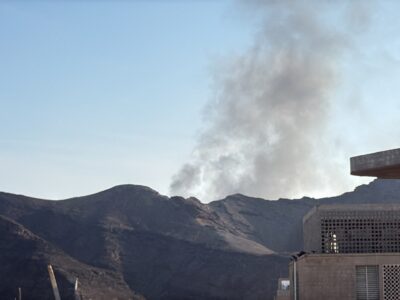
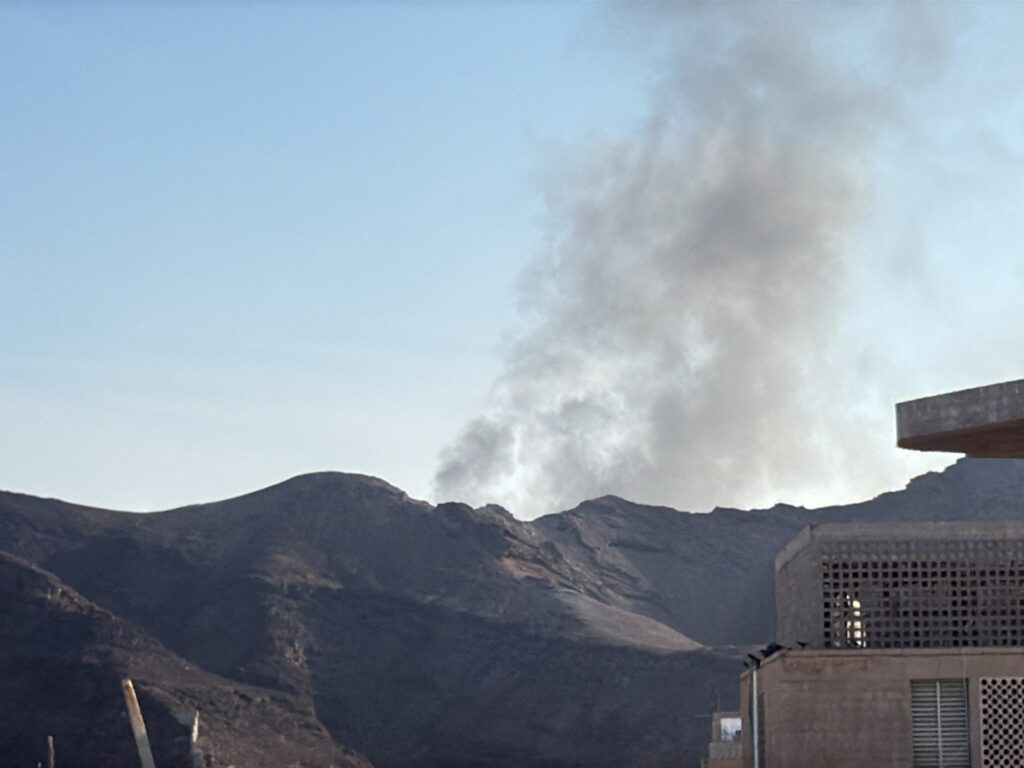
Meanwhile, the humanitarian situation in Yemen remains critical. Fighting across the country has resulted in increased casualties and the destruction of infrastructure. Civilians have been caught in the crossfire, with many fleeing their homes in search of safety. International organizations continue to call for ceasefires and peaceful resolutions, emphasizing the urgent need to alleviate the suffering of the Yemeni people.
The evolving military alliance and the conflict in Yemen illustrate the interconnected nature of regional politics, where strategic alliances and local conflicts influence each other. The Qatar-Turkiye defence pact may open new avenues for diplomatic leverage and military coordination, but it also raises concerns about further escalation and the risk of broader confrontations.
As the situation develops, observers will be closely watching how this agreement impacts the dynamics in Yemen and the wider Middle East. The international community remains hopeful for a peaceful resolution, but the path forward appears fraught with challenges. Meanwhile, displaced Yemeni civilians continue to face precarious conditions, with urgent humanitarian aid required to support their survival and recovery.
In summary, the Yemen conflict persists with devastating effects on civilians, even as Qatar and Turkiye solidify their defence cooperation. This dual situation underscores the complexity of Middle Eastern geopolitics, where military, humanitarian, and diplomatic issues are deeply intertwined in shaping the region’s future.