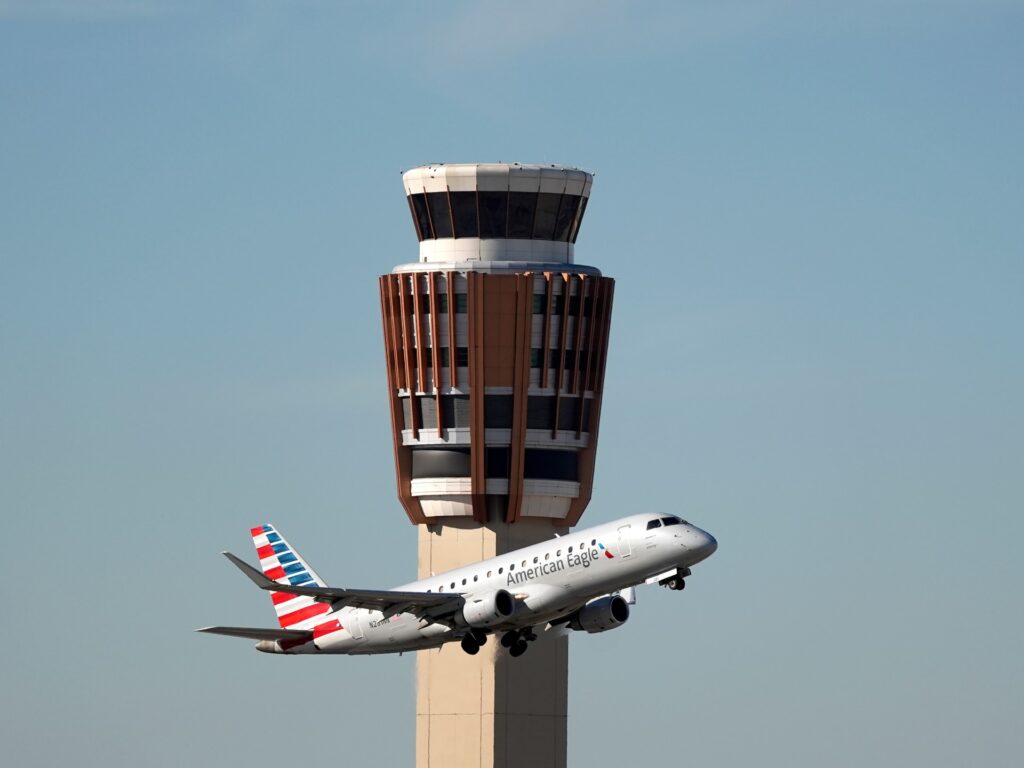
The Federal Aviation Administration (FAA) has issued an immediate nationwide ground stop for departing flights across the United States. This unprecedented move comes as a result of a communications problem identified by the agency, creating disruptions in flight operations.
The ground stop affects all departing flights from U.S. airports and extends partially to some international flights scheduled to depart from the US. Airlines and passengers have been advised to stay tuned for updates and monitor communications from airports and airlines regarding delays or cancellations.
The FAA’s decision is part of a safety protocol to ensure that all flights operate under secure and reliable communication channels, which are vital to air traffic control and flight coordination. The agency’s communication systems are undergoing investigation and repairs to rectify the issue promptly.
Airline officials report that incoming flights continue to land safely, and the ground stop specifically targets flights awaiting departure. This means airports are currently managing a backlog of grounded flights, potentially causing cascading delays throughout the day.
Passengers intending to travel today are encouraged to contact their airlines directly and check updated flight status information before heading to the airport. TSA and airport authorities are also actively managing passenger flows and providing assistance during this disruption.
Transportation experts note that while such ground stops are rare, they underscore the critical importance of robust communication infrastructure in managing the nation’s complex air traffic system. The FAA is coordinating with aviation stakeholders to resolve the communication issue as quickly as possible to resume normal flight operations.
Further updates from the FAA and airlines are expected shortly as technicians work to restore full functionality to the communication systems. Meanwhile, alternative travel arrangements and contingency plans are being put in place to mitigate the impact on travelers.
This event highlights the interconnected nature of air traffic control networks and the need for contingency plans to handle technological failures, ensuring safety remains the top priority in the aviation sector.