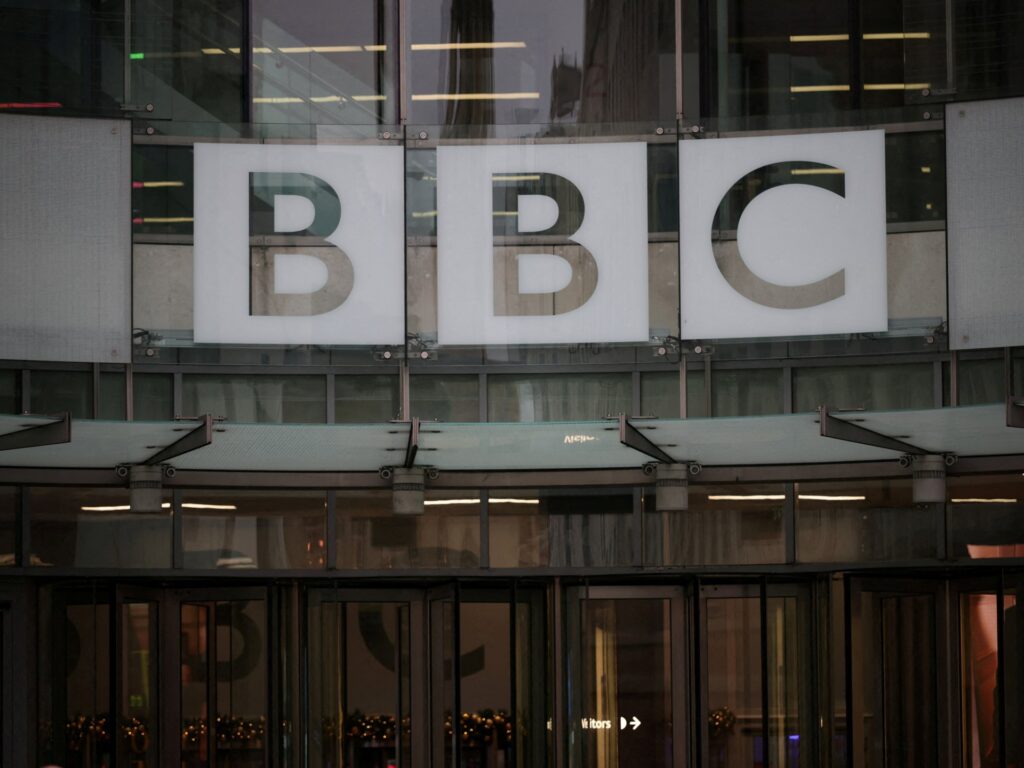
In a significant legal development, a judge has ruled that former President Donald Trump’s $10 billion defamation lawsuit against the British Broadcasting Corporation (BBC) can move forward. This decision marks a critical step in what could be one of the largest media defamation cases in recent history. The lawsuit, filed by Trump, alleges that the BBC made defamatory statements about him, damaging his reputation on a global scale. Trump hailed the ruling as a “huge victory,” emphasizing the importance of holding media organizations accountable for their reporting.
The BBC, however, has firmly denied the defamation charges. The broadcaster insists that its reporting was both accurate and fair, adhering to journalistic standards. It argues that the lawsuit lacks merit and plans to vigorously defend itself in court. The corporation maintains that it is committed to providing impartial news coverage and that the allegations against it are without foundation.
This case has garnered widespread attention due to its potential implications for media freedom and defamation law. Experts suggest that the outcome could set a precedent for how public figures can respond to media scrutiny and the balance between free press and protection from damaging falsehoods.
The legal battle is expected to be prolonged and complex, involving detailed examinations of the contested reports, freedom of expression rights, and the standards of proof required in defamation cases. Both sides are preparing for an intense courtroom showdown, with legal teams gathering evidence and expert testimony.
Observers are watching closely as the case unfolds, recognizing that the verdict could influence media practices around the world and the strategies of public figures in similar circumstances. The lawsuit reflects ongoing tensions between influential individuals and media entities in an era of rapid information dissemination and heightened scrutiny.
As proceedings continue, the public awaits further updates, with many keen to see how the judiciary balances competing interests of free speech, accountability, and the protection of reputations in this high-profile lawsuit. The case underscores the evolving landscape of media law and the challenges posed by defamation claims against major broadcasters.