Ireland, a key hub for numerous US technology multinationals, has raised significant alarms over the potential threats posed by Russia to undersea communication cables. These cables are critical infrastructure that support the vast data and communication needs of the global internet and international business operations.
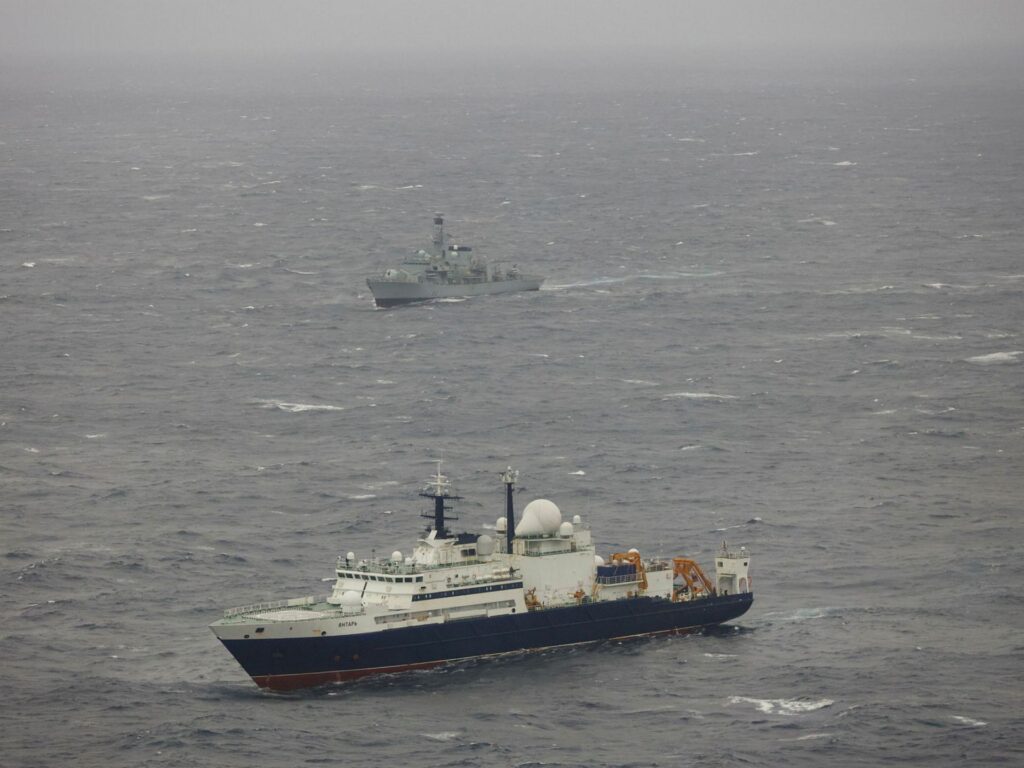
The concern comes in the wake of increasing awareness about Russia’s so-called “shadow fleet,” a covert armada of vessels suspected of conducting espionage and other clandestine activities. The Irish government fears that this fleet could target undersea cables running near its shores, potentially disrupting vital communications or conducting sabotage.
Undersea cables carry over 95% of intercontinental data traffic, making them indispensable to global connectivity. Any damage to these cables could lead to severe consequences for internet reliability, financial transactions, and critical communications for businesses and governments alike.
Ireland’s role as a digital hub for large US tech companies places it at the front line of these emerging security challenges. These companies rely heavily on stable and secure internet infrastructures to ensure uninterrupted services, and a threat to the cables could have global repercussions.
Experts have pointed out that undersea cables have historically been vulnerable to both accidental damage and intentional attacks. Growing geopolitical tensions have increased the risk profile for such infrastructure. Russia’s shadow fleet, believed to possess advanced surveillance and cable-cutting capabilities, has heightened these concerns dramatically.
The Irish government is reportedly coordinating with international allies and technology firms to enhance the monitoring and protection of these cables. Technologies such as underwater drones, increased satellite surveillance, and improved cable trenching techniques are under consideration.
In addition to technological measures, Ireland is advocating for stronger international agreements to safeguard undersea cables. The country emphasizes the need for global cooperation to address the shared risks posed by malign actors who might seek to exploit vulnerabilities in these critical networks.
This development is part of a broader trend where the intersection of digital infrastructure and geopolitics has become increasingly prominent. Countries hosting crucial internet infrastructure are taking more proactive roles in defending against cyber and physical threats.
Ireland’s alert comes amid a series of incidents worldwide involving disruptions to undersea cables, some traced back to state-affiliated actors. These cases highlight the strategic importance of cable security and the complex challenges nations face in protecting their digital lifelines.
Looking forward, Ireland’s stance signals a call for increased vigilance and joint international efforts to ensure the resilience and security of undersea cables, which are the backbone of modern global communication and commerce. The country continues to balance its open, tech-friendly environment with the imperative to shield vital infrastructure from evolving threats.