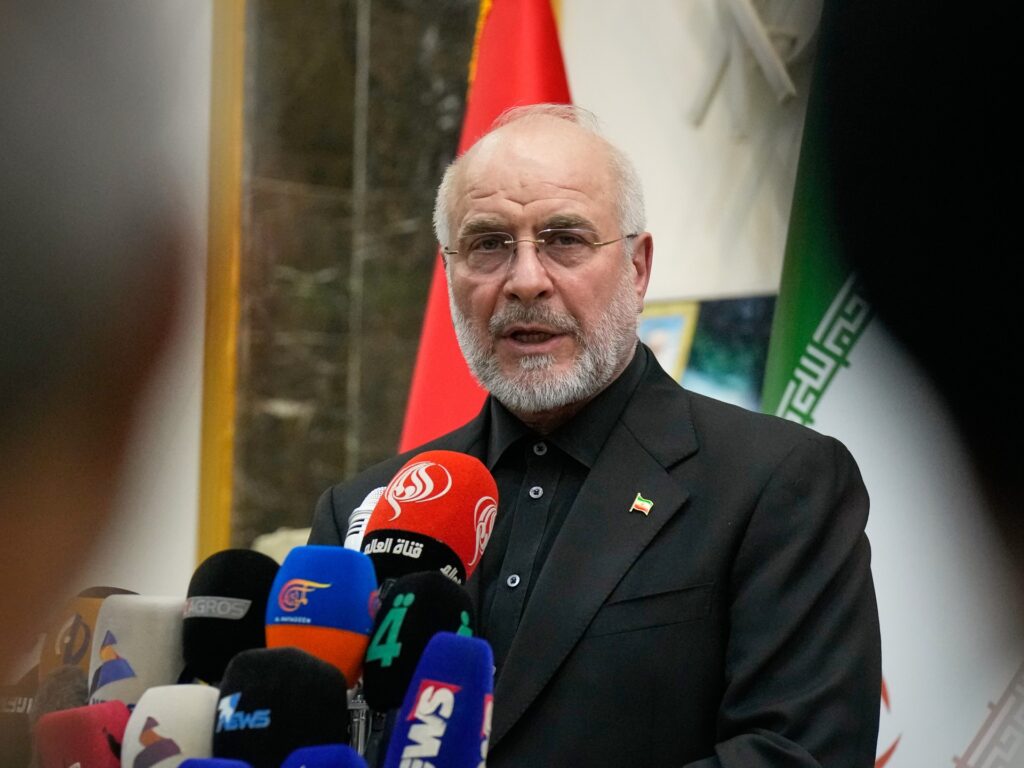
Iran’s Parliament Speaker and chief negotiator, Mohammad Bagher Ghalibaf, has stated that the strategic Hormuz Strait will “never return” to the conditions it experienced before heightened tensions and conflicts in the region. This remark underscores the significant geopolitical shifts and long-lasting impact of recent conflicts on one of the world’s most pivotal maritime chokepoints.
The Hormuz Strait, which links the Persian Gulf with the Gulf of Oman and the Arabian Sea, is a critical passageway for global oil shipments. Its security and operational status have been a matter of intense international focus, especially given its vulnerability to regional hostilities.
Ghalibaf emphasized that Tehran is currently awaiting an official response from the United States on its set of seven stipulated conditions. These conditions, presumably part of diplomatic negotiations to ease tensions and secure maritime transit, form the basis for Iran’s engagement in dialogue. The nature of these conditions has not been fully disclosed, but they likely pertain to security guarantees, economic sanctions relief, and mutual respect for sovereignty.
The statement comes at a time when Iran is trying to navigate complex relations with Western powers, particularly the US, which has imposed several sanctions aimed at curbing Iran’s nuclear program and regional activities. Tehran’s insistence on these conditions signals a strategic posture aiming for a durable resolution rather than temporary or superficial agreements.
Regional analysts interpret Ghalibaf’s comments as a clear message that the status quo before recent conflicts and sanctions is irretrievable. The new realities, influenced by military incidents, diplomatic standoffs, and shifting alliances, have permanently altered the maritime and security landscape.
Iran’s stance also reflects its broader objective of asserting control over the Strait, which it views as vital to its national security and economic interests. Historically, Iran has leveraged the strategic significance of the Hormuz Strait as a means to project power and influence global oil markets.
International stakeholders remain cautious as the situation develops. The potential for escalation or stabilization hinges significantly on diplomatic engagements between Iran and the United States, as well as broader cooperation among Gulf states and global powers.
The future of the Hormuz Strait will likely shape global energy markets and regional security architecture. Observers recommend sustained dialogue, confidence-building measures, and multilateral frameworks to manage tensions and maintain open and secure navigation.
As Iran awaits the US response, the global community watches closely, aware that the decisions taken in the coming months could define the strategic dynamics of the Persian Gulf for years to come.