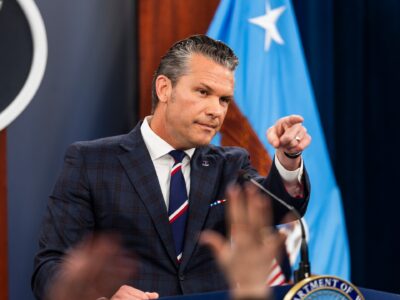
In a significant political development, Republicans have successfully blocked a motion to impeach US Secretary of Defense Pete Hegseth. The attempt to impeach Hegseth came amid controversies surrounding the ongoing war efforts in Iran, with critics accusing him of mismanagement and escalating tensions.
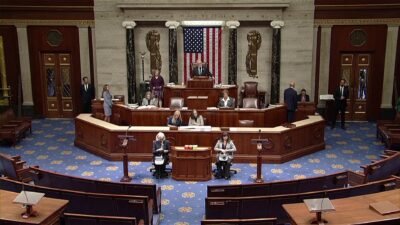
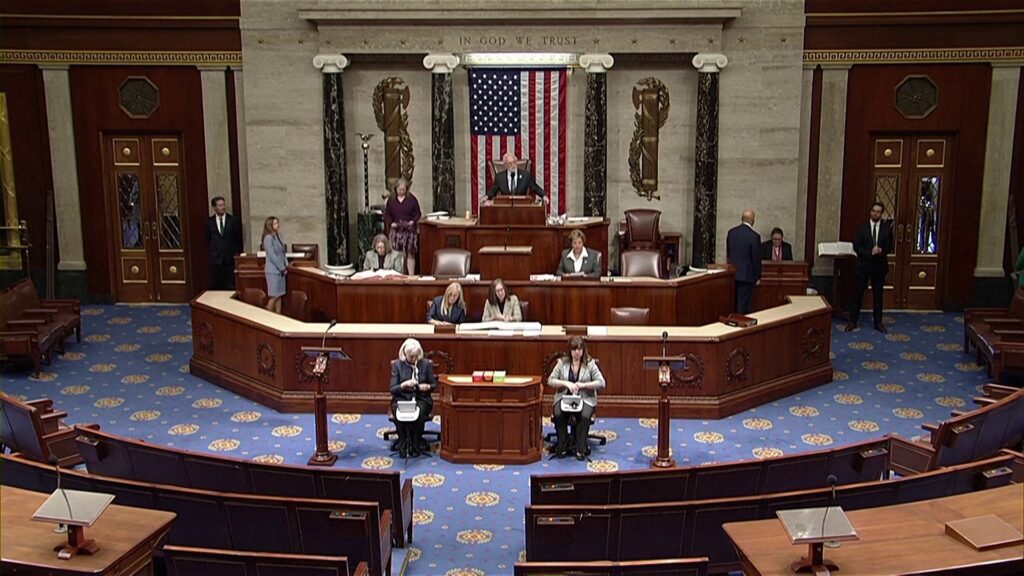
The impeachment motion was brought forward by opposition members concerned about Hegseth’s role in the conflict and demand for accountability for decisions made within the defense establishment. However, the Republican majority in the legislative body convened a vote and ultimately rejected the motion, signaling continued support for Hegseth inside the party.
Pete Hegseth, a former military officer and prominent Republican figure, has been a vocal advocate for the US military presence in Iran, aligning with current administration goals. Supporters argue that Hegseth’s leadership is vital to countering threats in the Middle East and ensuring national security.
Opponents of Hegseth’s policies argue that the war has led to unnecessary loss of life and regional destabilization, calling for diplomatic engagement instead of prolonged military actions. They also raise concerns about the lack of clear objectives and exit strategies in the ongoing conflict.
The blocked impeachment motion reflects the deep partisan divide in the US government regarding foreign policy decisions, particularly those involving military interventions. Republicans maintain that the focus should remain on supporting the troops and defeating adversaries, while Democrats and other critics urge for increased oversight and reconsideration of America’s role in Iran.
This event adds to the broader debate over the conduct and consequences of the US involvement in the Middle East. The war on Iran has sparked widespread protests and political debates nationally and internationally, highlighting the complex implications of armed conflict.
As the situation evolves, further discussions about defense leadership accountability and the direction of US foreign policy are expected. For now, Secretary Hegseth retains his position, with Republicans signaling their intent to continue backing his policies.
The controversy underscores ongoing tensions within the government and among the public over the appropriate balance between military action and diplomatic efforts in addressing international conflicts. The debate over impeachment serves as a reminder of the high stakes involved in decisions related to national security and global peace.
In the coming months, attention will likely focus on the outcomes of the war in Iran and any shifts in political power that could influence defense strategies. Meanwhile, the Republicans’ ability to block the impeachment motion secures Hegseth’s role for the immediate future, leaving the question of how to resolve the conflict still unresolved.
This development represents a critical moment in US politics, emphasizing the intersection of governance, military affairs, and public opinion in shaping the country’s path forward in international relations.