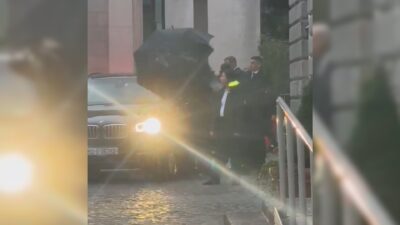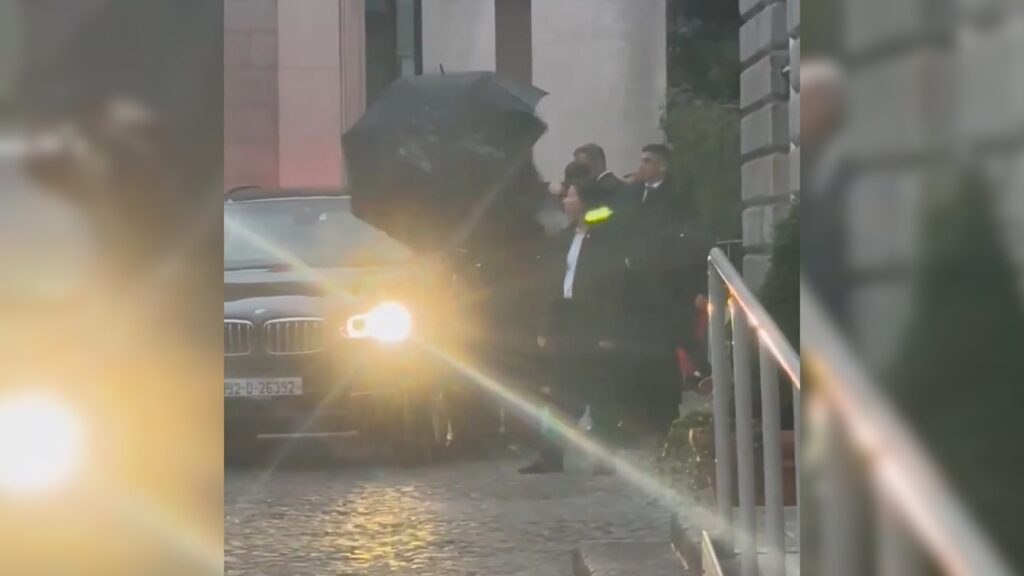
In a dramatic display of dissent, pro-Palestinian protesters threw milk at U.S. President Joe Biden during an event in Dublin focused on Hunter Biden. The incident took place as President Biden attended a public engagement involving his son, Hunter, drawing significant media attention.
The protesters’ actions were aimed at expressing their opposition to President Biden’s staunch support for Israel, amid ongoing conflicts in the Middle East. Pro-Palestinian demonstrators have been vocal internationally about the U.S. government’s policies, particularly under President Biden’s administration, which they see as favoring Israel in the Israeli-Palestinian conflict.
The event in Dublin gathered crowds eager to see Hunter Biden, but the protest added an unexpected and intense moment to the occasion. Security personnel quickly responded to the milk-throwing incident, ensuring President Biden’s safety and moving him away from the protestors.
This incident highlights the international tensions surrounding the Israeli-Palestinian conflict and the broader implications it has on U.S. foreign policy. President Biden’s support for Israel remains a contentious issue that has sparked protests and debates in different parts of the world.
The protestors’ choice to use milk as a form of protest is symbolic, intending to publicly shame or disrupt rather than cause physical harm. This method of protest has been used in various political movements as a form of non-violent expression.
Officials in Dublin condemned the act but also recognized the right to peaceful protest. The event underlined the challenges leaders face when addressing deeply polarizing issues on global stages.
President Biden, despite the disruption, continued with his engagement, reinforcing his administration’s stance on Israel while navigating the delicate political reactions such incidents provoke.
This episode in Dublin serves as a reminder of the complexities in addressing international conflicts and the passionate responses such topics elicit worldwide. Pro-Palestinian groups are expected to continue their demonstrations, advocating for changes in U.S. foreign policy toward the Israeli-Palestinian conflict.
As global eyes watch the evolving situation, both political leaders and activists remain engaged in ongoing dialogues and protests related to the Middle East peace process.
The milk-throwing event is likely to prompt further discussions about security at political events and the ways in which citizens choose to express political dissent in peaceful but impactful manners.
This protest in Dublin reflects the growing global activism surrounding Middle Eastern issues, showing how local events can become platforms for international concerns and political statements.