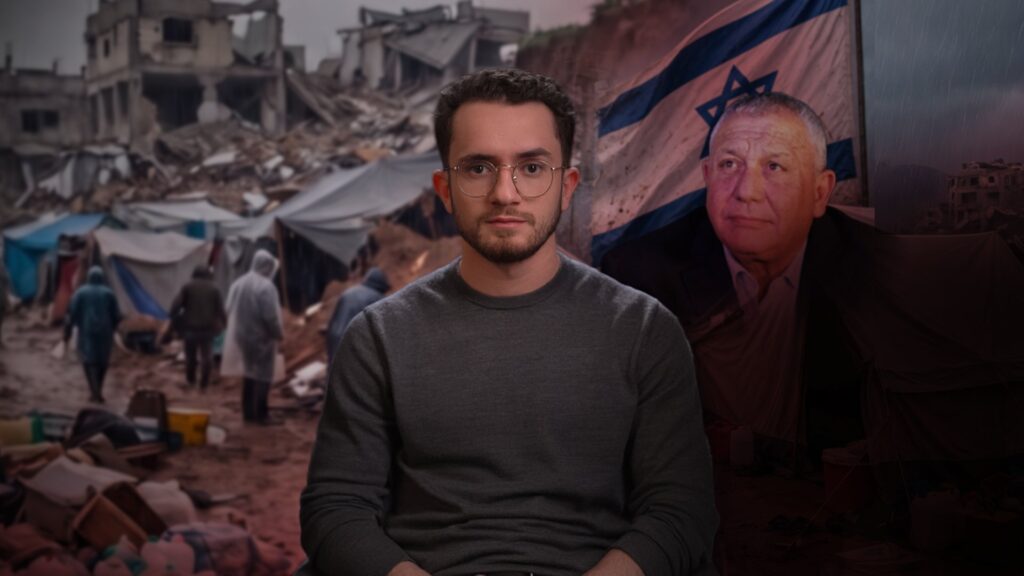
In the recent devastating events in Gaza, heavy rainstorms have led to tragic consequences, with a particularly deadly incident involving the collapse of a sand embankment at a displacement camp. Five Palestinians lost their lives when the embankment gave way under the weight of the rainfall, highlighting the vulnerability of displaced populations in the region.
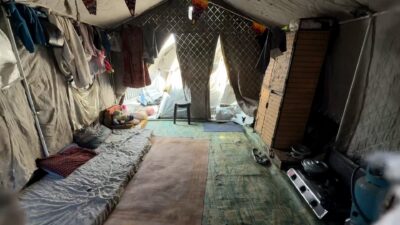
The displacement camp, already struggling with limited infrastructure and resources, bore the brunt of this natural disaster. The sudden and intense rainfall overwhelmed the makeshift protections around the camp, causing the sand embankment—intended to serve as a barrier and protection against flooding—to fail catastrophically.
This incident is a stark reminder of the acute challenges faced by displaced communities in conflict zones, where inadequate infrastructure and emergency preparedness can exacerbate the effects of extreme weather events. The Gaza Strip frequently faces such climatic anomalies, but the situation is made worse by the ongoing political and humanitarian crises that hamper effective response and recovery efforts.
Local authorities and international humanitarian organizations have been mobilizing to provide relief and assistance to the affected families. Emergency response teams have been dispatched to the area to conduct rescue operations and to provide medical aid, shelter, and essential supplies.
The destruction caused by the rainstorm has also disrupted daily life for thousands of others in the camp and surrounding areas, with many homes damaged or destroyed. The collapse has displaced more families, compounding the already dire housing situation in Gaza.
Human rights groups have called for increased attention and support to improve infrastructure in displacement camps to prevent such tragedies in the future. They emphasize the urgent need for sustainable solutions that can withstand environmental challenges and protect vulnerable populations.
This latest disaster adds to the growing list of hardships faced by Palestinians in Gaza, underscoring the intersection of natural disasters and human conflict. The global community has been urged to increase humanitarian aid and to work towards long-term strategies that address both immediate needs and broader structural vulnerabilities.
As the region mourns the loss of life and grapples with the aftermath, it is clear that improved disaster preparedness and infrastructural resilience must become priorities for all stakeholders committed to alleviating the suffering of displaced Palestinians.
Continued support and cooperation among local authorities, international agencies, and donors remain essential to rebuild, restore, and protect the lives of those affected by such calamities in Gaza.