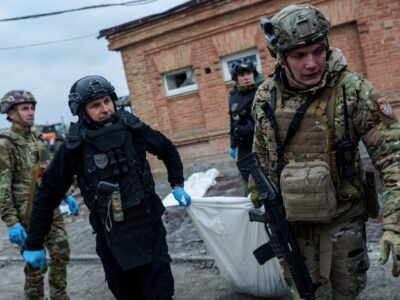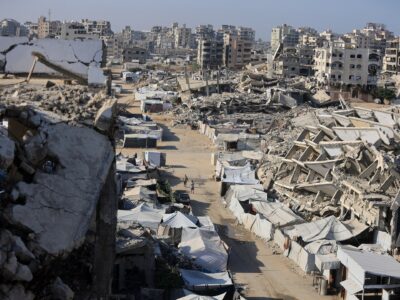
In a significant escalation of the ongoing conflict between Russia and Ukraine, at least one person has been reported killed as the two nations exchanged strikes overnight. The violence marked a continuation and intensification of hostilities with severe consequences for infrastructure and civilian safety.
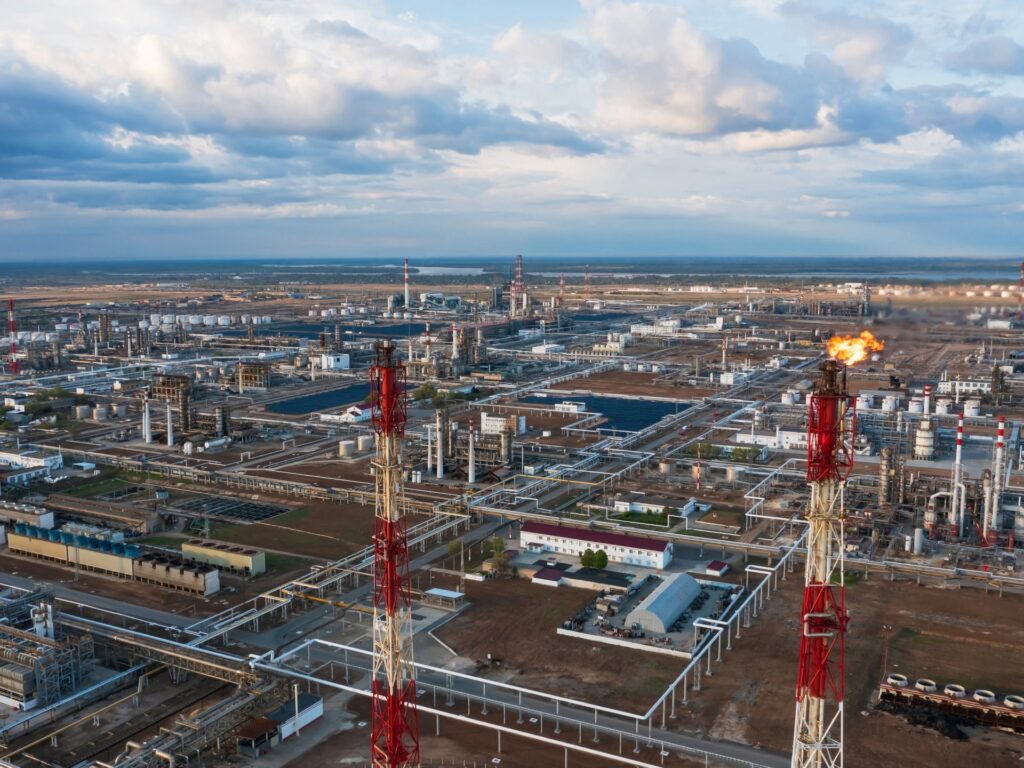
One of the most dramatic incidents involved Russia’s second-largest oil refinery, which was set ablaze by drone attacks. The use of unmanned aerial vehicles in targeting such critical infrastructure highlights the evolving tactics within the conflict, raising concerns about the risks of widespread environmental and economic damage.
Simultaneously, Russian forces launched strikes targeting Ukrainian energy sites, aiming to disrupt the nation’s power supply and cripple its energy resources. These attacks exacerbate the already dire situation in Ukraine, which has seen repeated damage to key utility facilities amid ongoing military operations.
The death toll, though currently reported as at least one, may rise as emergency responders work through the aftermath of the strikes. The human cost of these confrontations continues to grow, reflecting the broader humanitarian crisis spurred by the conflict.
The drone attack on the Russian refinery signifies a striking shift in tactics, with non-conventional means increasingly employed to undermine an adversary’s logistical and economic bases. Oil refineries are critical not only for fueling military machinery but also for domestic energy needs, making this attack strategically significant.
Russian strikes on Ukrainian energy infrastructure aim to weaken morale and destabilize the country by cutting off essential services. The loss of energy capacity affects hospitals, communication networks, and heating, particularly critical as Ukraine approaches colder months.
International observers and governments have expressed concern about the potential for further escalation and the massive humanitarian implications if the infrastructure destruction continues unfettered. The conflict’s disruption to energy supplies also has global repercussions, affecting fuel prices and energy security across multiple regions.
The situation remains volatile, with both sides exchanging assaults that cause severe damage and civilian casualties. The use of drones in the conflict marks a modern aspect of warfare, where remote and precise strikes can target key facilities without immediate risk to personnel.
Calls for ceasefires and negotiations have so far been overshadowed by the ongoing military offensives, with diplomatic efforts struggling to gain traction amidst rising tensions. The international community faces the challenge of balancing support for Ukraine with efforts to de-escalate the conflict and prevent further loss of life and infrastructure.
As the conflict enters yet another phase marked by drone warfare and strategic bombings, the prospects for a swift resolution seem increasingly distant. The lasting impact on regional stability, economy, and civilian life remains a critical concern for policymakers and humanitarian organizations worldwide.