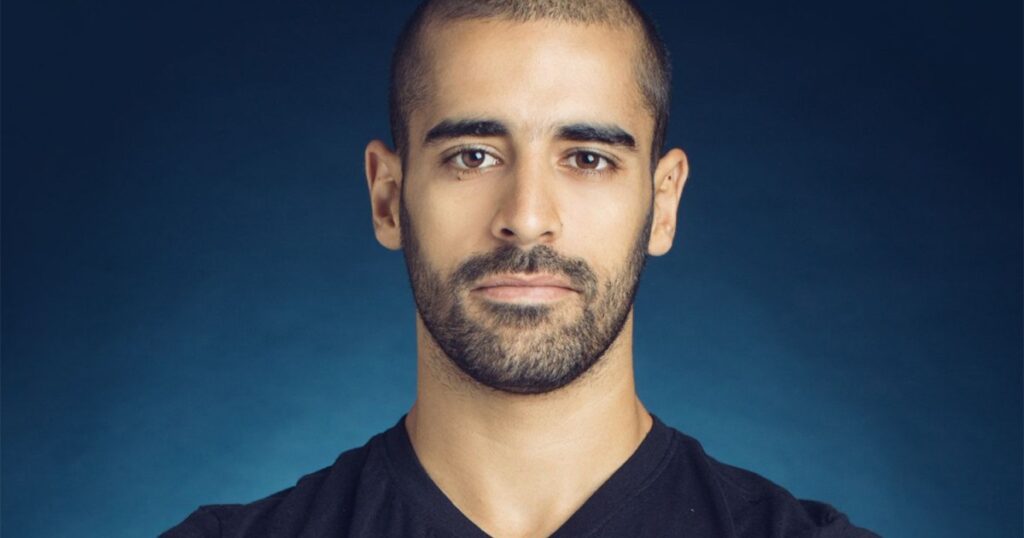
Israeli forces have released Palestinian journalist Abed Abou Shhadeh after a period of detention. Abou Shhadeh, a prominent figure in Palestinian media, stated that his detention was not just an isolated incident but part of a broader political strategy by Israel. According to Abou Shhadeh, the measures taken against him are aimed at intimidating the Arab society as a whole, suggesting a systemic approach to suppressing dissent and controlling narratives within Palestinian communities.
The detention of journalists and activists in the region has been a point of concern for international human rights organizations, who often highlight the risks faced by media personnel working in conflict zones. Abou Shhadeh’s case underscores the complex dynamics in the Israeli-Palestinian conflict, where media freedom and political expression are frequently contested.
Upon his release, Abou Shhadeh urged for continued support and attention to the plight of Palestinian journalists, emphasizing the need for protections that allow them to carry out their work without fear of arbitrary arrest or intimidation. His statements reflect a larger issue that affects not only individual journalists but also the broader capacity of Palestinian society to voice its experiences and perspectives.
The incident has drawn reactions from various quarters, including press freedom advocates and political analysts who view such detentions as tactics to weaken the resilience of Arab communities and suppress critical voices. Despite the release, concerns remain about future actions and the ongoing environment faced by journalists in the region.
This development comes amid ongoing tensions and periodic escalations in the Israeli-Palestinian conflict, where control over information and media narratives play a crucial role in the struggle for public opinion and political leverage. Abou Shhadeh’s release marks a significant moment, but also highlights the continuing challenges faced by Palestinian journalists striving to report on their realities.
In sum, Abed Abou Shhadeh’s release is both a relief for supporters and a reminder of the persistent political pressures that affect journalistic freedoms in the region. It serves as a call to the international community to maintain vigilance and support for those who report in high-risk environments, ensuring that the right to free expression remains protected amidst ongoing conflict.