As political dynamics in Washington continue to evolve, former President Donald Trump faces critical choices on how to impact legislation moving forward. Political analysts outline three primary strategies that Trump can utilize to influence lawmaking: vetoing legislation, enforcing executive orders, and making bipartisan deals, particularly with Democrats.
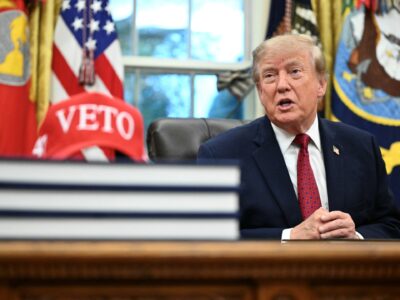
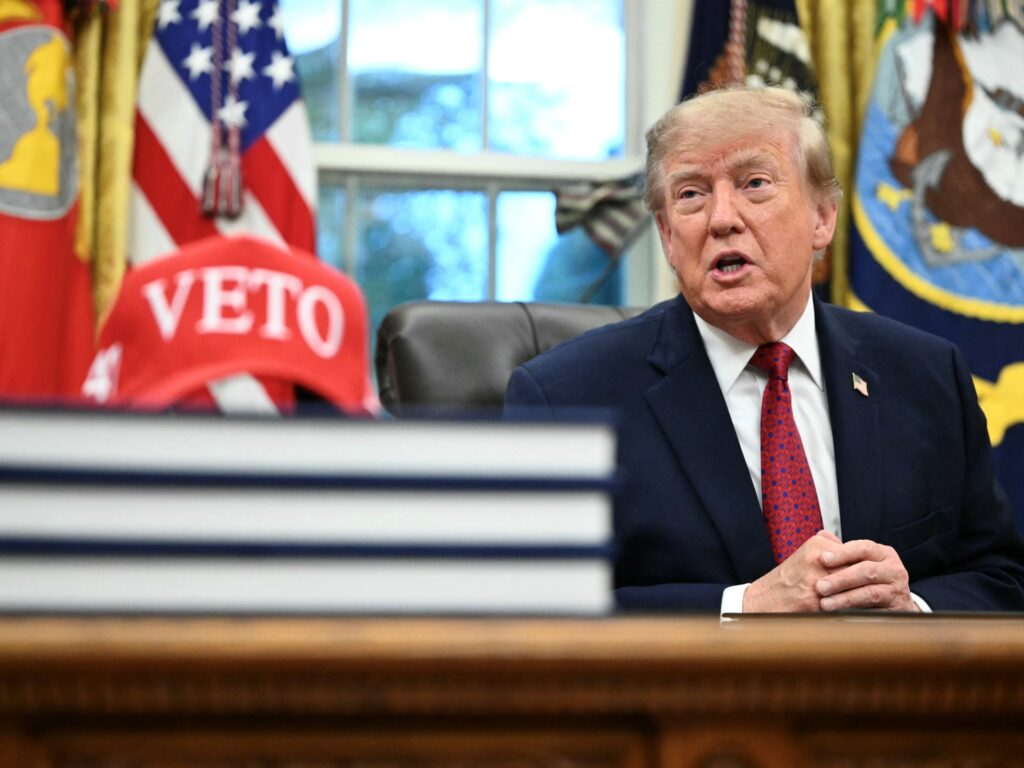
The first option, vetoing legislation, is a traditional presidential power that allows the executive branch to reject bills passed by Congress. This approach can serve as a check on laws that the president finds objectionable. However, repeated use of vetoes may lead to increased political gridlock and could alienate potential allies across the aisle.
Alternatively, Trump can rely on executive orders to bypass Congress and directly implement policy changes. Executive orders provide a quicker route to enforce certain policies, but they tend to be temporary and vulnerable to reversal by subsequent administrations or legal challenges.
The third and potentially most impactful option is forging deals with Democrats. This path involves negotiation and compromise to find common ground on legislative initiatives. Analysts believe that by pursuing bipartisan cooperation, Trump could enact sustainable policies with broader support, enhancing political stability and governance effectiveness.
Despite historical tensions between Trump and the Democratic Party, recent political realities suggest that collaboration could offer mutual benefits. Democrats gain an opportunity to influence policy direction, while Trump could leverage legislative accomplishments to solidify his political standing.
Critics argue that Trump’s confrontational style may hinder constructive dialogue, potentially limiting opportunities for successful deals. Yet, some political observers note that evolving issues such as economic recovery, infrastructure, and healthcare require cross-party efforts, encouraging a pragmatic approach.
Ultimately, Trump’s ability to work with Democrats depends on multiple factors, including political will, public opinion, and strategic calculations. Whether through veto power, executive mandates, or bipartisan legislation, the former president’s choices will significantly shape the future legislative landscape.
As the nation watches closely, the question remains: Can Trump find a way to bridge partisan divides and collaborate effectively with Democrats to advance the country’s agenda?