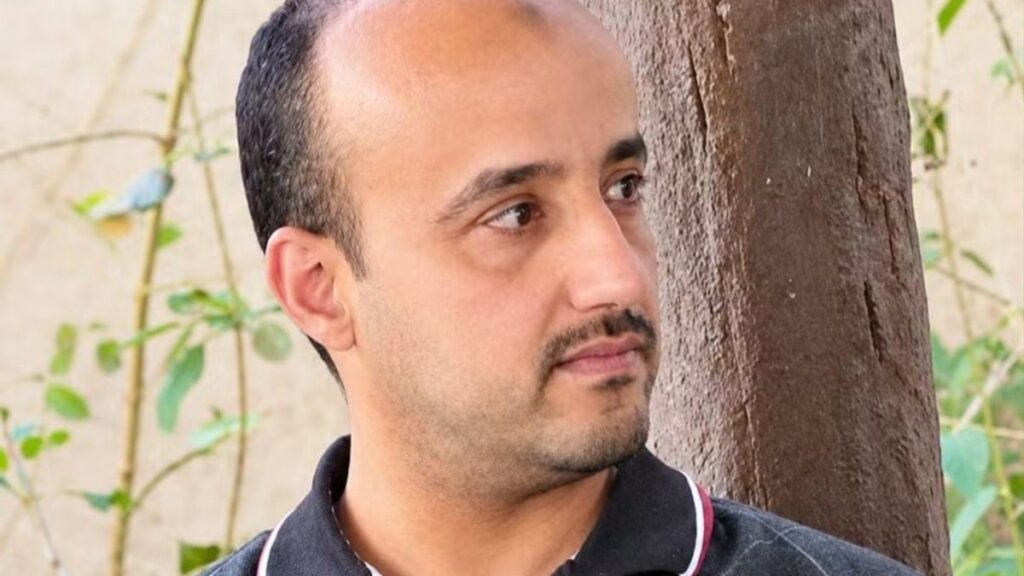
The recent death of a United Nations staff member while in custody has cast a stark spotlight on the ongoing human rights abuses in Yemen, particularly highlighting the role of the Houthi movement in perpetrating systemic violations. This tragic incident has drawn urgent condemnation from international rights experts and intensified calls for accountability in a country already torn apart by years of conflict.
The staffer’s death reportedly occurred under circumstances that suggest a grave violation of international humanitarian and human rights laws. UN officials and rights groups have revealed that the individual was detained by Houthi forces, who control significant parts of northern Yemen. The detention, critics argue, appears symptomatic of a broader strategy employed by the group – what rights experts term as ‘political extortion.’ This term references the systematic use of detainees as leverage to achieve political concessions or intimidate opposition.
Human rights organizations have chronicled numerous instances where the Houthis have detained civilians, international workers, and political opponents arbitrarily. These detentions often lack due process, with detainees subjected to inhumane treatment and, in some cases, torture. The death of the UN staffer serves as a grim reminder of the extreme risks faced by both Yemenis and international personnel operating in the region.
In response, UN human rights experts have issued a statement urging the international community to address these abuses decisively. They emphasize that impunity in Yemen only emboldens perpetrators and deepens the humanitarian crisis. The experts call for independent investigations into the circumstances surrounding the detention and death of the UN staffer, as well as a robust mechanism for monitoring detainee welfare.
The broader context of Yemen’s conflict complicates this situation. Since 2014, Yemen has suffered a devastating civil war involving various internal factions and external actors. The Houthi movement, which seized control of the capital Sana’a and large parts of northern Yemen, has been at the center of this conflict. Accusations against the Houthis include not only human rights abuses but also the manipulation of aid and political processes to maintain their grip on power.
Aid agencies have faced significant obstacles due to the Houthis’ practices, including arbitrary detention of staff and diversion of humanitarian aid. This has severely hampered efforts to deliver food, medical supplies, and essential services to millions of Yemenis facing famine and disease outbreaks.
International responses have ranged from diplomatic efforts to calls for sanctions against individuals and groups responsible for abuses. However, the complexity of Yemen’s conflict and the geopolitical interests involved have often slowed decisive action.
The death of the UN staffer has renewed focus on the urgent need for international solidarity and accountability. It underscores the critical importance of protecting humanitarian workers and ensuring their safety as they carry out vital missions in conflict zones.
Moreover, it highlights the moral and legal obligations of all parties in Yemen to adhere to international laws governing the treatment of detainees and civilians.
Moving forward, rights experts stress the need for comprehensive strategies that combine humanitarian aid with conflict resolution and justice initiatives. Without accountability and systemic reform, Yemen risks further descending into chaos and suffering.
The international community faces a pressing choice: to stand firm against abuses and support peace efforts or allow impunity to perpetuate the cycle of violence that threatens millions of lives.
As calls for justice grow louder, the hope remains that the tragic loss of the UN staffer will serve as a catalyst for meaningful change in Yemen, advancing peace, human rights, and dignity for all affected by this protracted conflict.