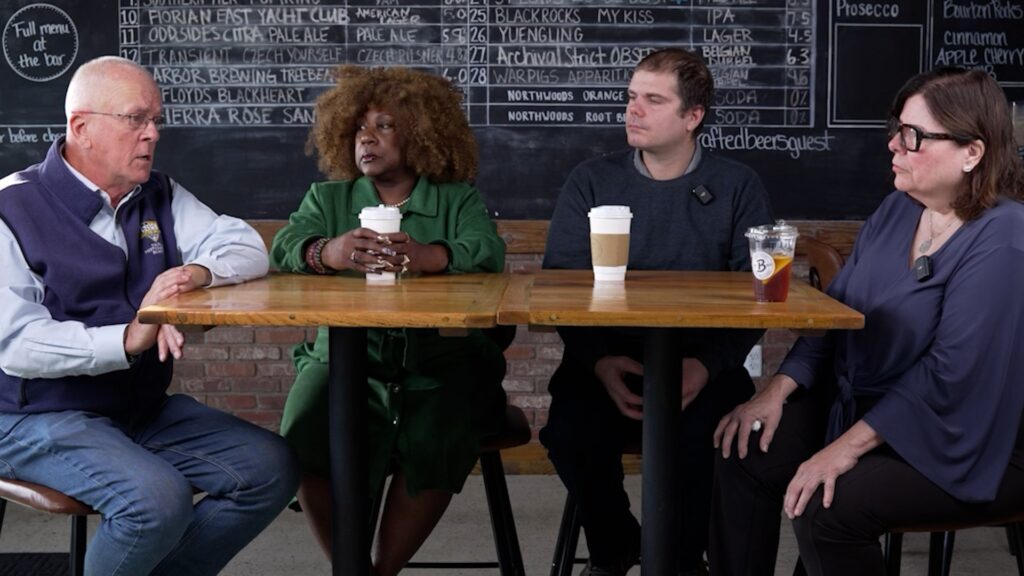
In the heated landscape of American politics, especially in Michigan’s Senate race, stark divisions reflect the nation’s broader political polarization. However, amidst these tensions, there is still potential for Americans who disagree politically to find common ground. This was evident in conversations with four Michigan voters with opposing political views, revealing that despite ideological differences, shared values and goals remain within reach.
Michigan, a key battleground state, embodies the nation’s political fault lines. The 2024 Senate race here has become a focal point for national attention, pitting candidates with sharply contrasting visions for the country. This race highlights not only the divisions but also the opportunities for dialogue between voters of differing perspectives.
One voter, a lifelong Democrat, expressed frustration over policy disagreements but emphasized the importance of community and mutual respect. “I may not agree with some of the policies my friend supports, but we both want a better future for our children,” she said. This sentiment showcases a fundamental element of finding common ground: prioritizing shared aspirations over partisan differences.
Conversely, a Republican voter highlighted the significance of economic freedom and personal responsibility but acknowledged the value of compromise. “We might have different ideas on government size, but we all want prosperity and security,” he remarked. This acknowledgment reflects the potential for productive conversations when voters focus on outcomes rather than rigid ideologies.
Two other voters, one independent and another a former Green Party supporter, illustrated how intersecting concerns such as environmental protection, healthcare, and education can bridge political gaps. Their dialogue revealed that while their solutions may vary, their underlying goals often align, creating a foundation for cooperation.
These interviews suggest that while political divisions are real and often intense, they do not mandate social or personal divisions. Common ground emerges from recognizing shared humanity and the mutual desire for a better society.
Experts observing the Michigan race note that the polarized media environment can amplify divisions. Yet, grassroots efforts focusing on local issues and direct community engagement foster more nuanced understanding among voters. Programs facilitating bipartisan discussions in Michigan communities have demonstrated that listening and empathy can diminish animosity.
Moreover, the presence of family, neighbors, and co-workers with differing views forces everyday Americans to navigate political disagreements without severing ties. This necessity encourages civility and the search for pragmatic solutions.
The Michigan Senate race serves as a microcosm of America’s political landscape, exposing deep divides but also highlighting the resilience of democratic discourse. It underscores that Americans, despite their political differences, can and do find common ground by focusing on shared interests, engaging in respectful dialogue, and recognizing their collective stake in the nation’s future.
In conclusion, the insights from Michigan voters reveal an essential truth: political disagreement need not equate to personal animosity. Through empathy, dialogue, and a focus on mutual goals, Americans divided by politics can still come together, reinforcing the democratic values that underpin the nation.