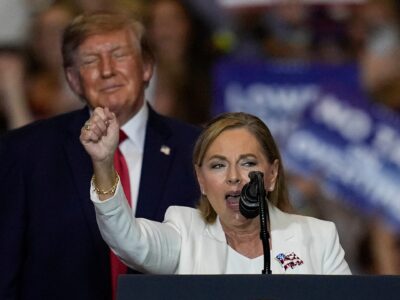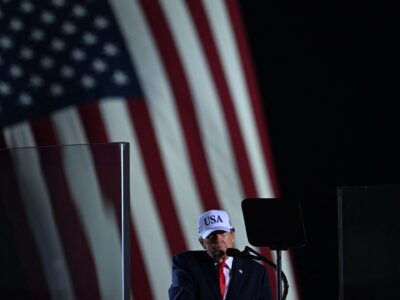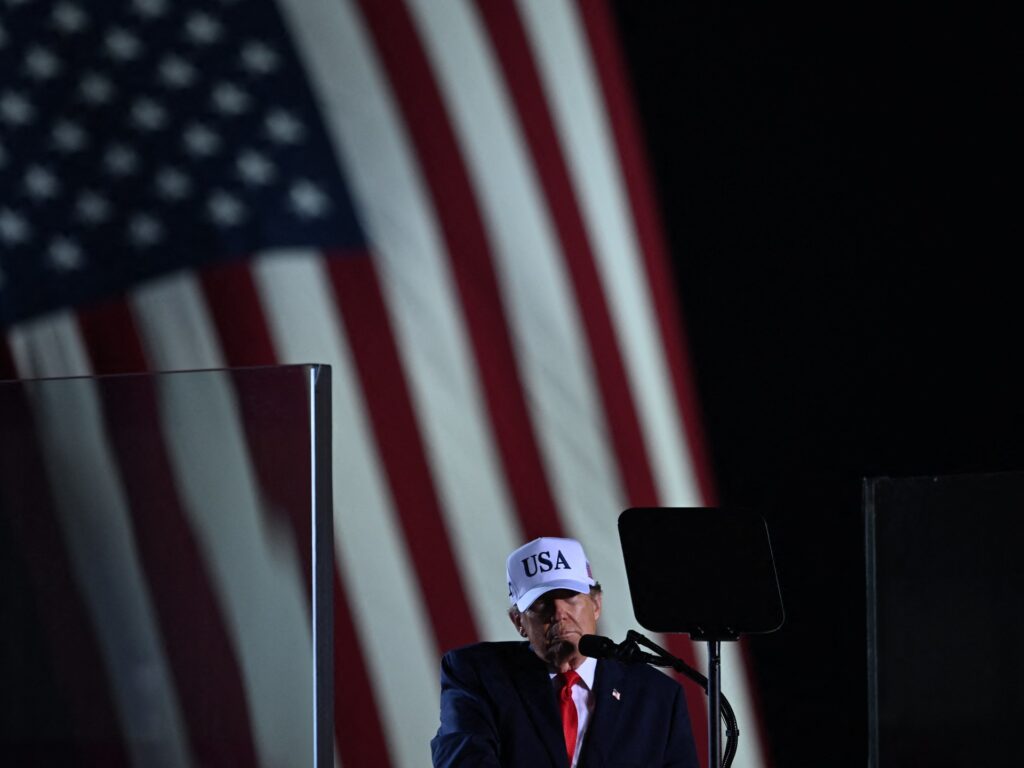
In the final throes of his campaign, Donald Trump has intensified his rhetoric, focusing on Islamophobic themes and conspiracy theories during his last two rallies. The former president directed sharp attacks at Muslim politicians Abdul El-Sayed and Ilhan Omar, drawing heavy criticism for what many perceive as divisive and inflammatory tactics.
During these rallies, Trump repeatedly highlighted the backgrounds of El-Sayed and Omar, painting them as threats to American values and security without substantial evidence. His remarks included insinuations linking them to radical ideologies, a move that has sparked widespread condemnation from various political and community leaders.
This strategy appears to be a last-ditch effort to galvanize a certain segment of his base by stoking fears about Islam and Muslim communities. Trump’s campaign has often been characterized by a hardline stance on immigration and national security, but these latest rallies mark a notably aggressive pivot towards targeting individual Muslim politicians with outright Islamophobic language.
Critics argue that such rhetoric not only fuels division but also legitimizes bigotry, fostering an environment where hate crimes and discrimination against Muslims might increase. Supporters, however, claim Trump’s direct approach is a necessary measure to address what they see as growing security concerns.
Abdul El-Sayed, a former Detroit health official and political candidate, responded to the attacks by emphasizing his commitment to inclusive politics and denouncing Trump’s inflammatory comments as an attempt to divert attention from pressing policy issues.
Ilhan Omar, one of the first Muslim women elected to the U.S. Congress, condemned the attacks as part of a broader pattern of Islamophobic sentiment that she says undermines America’s core values of religious freedom and diversity.
As the campaign trail concludes, these rallies may leave a lasting impact on public discourse, highlighting the deep divisions within the political landscape. Observers note that exploiting fears around religion and identity could deepen societal rifts and complicate efforts toward unity and understanding.
The use of such divisive tactics raises questions about the future tone of political campaigns and what it means for democracy when hate and fear are wielded as tools to mobilize voters. As the nation watches closely, the consequences of this rhetoric will unfold in the months and years ahead.