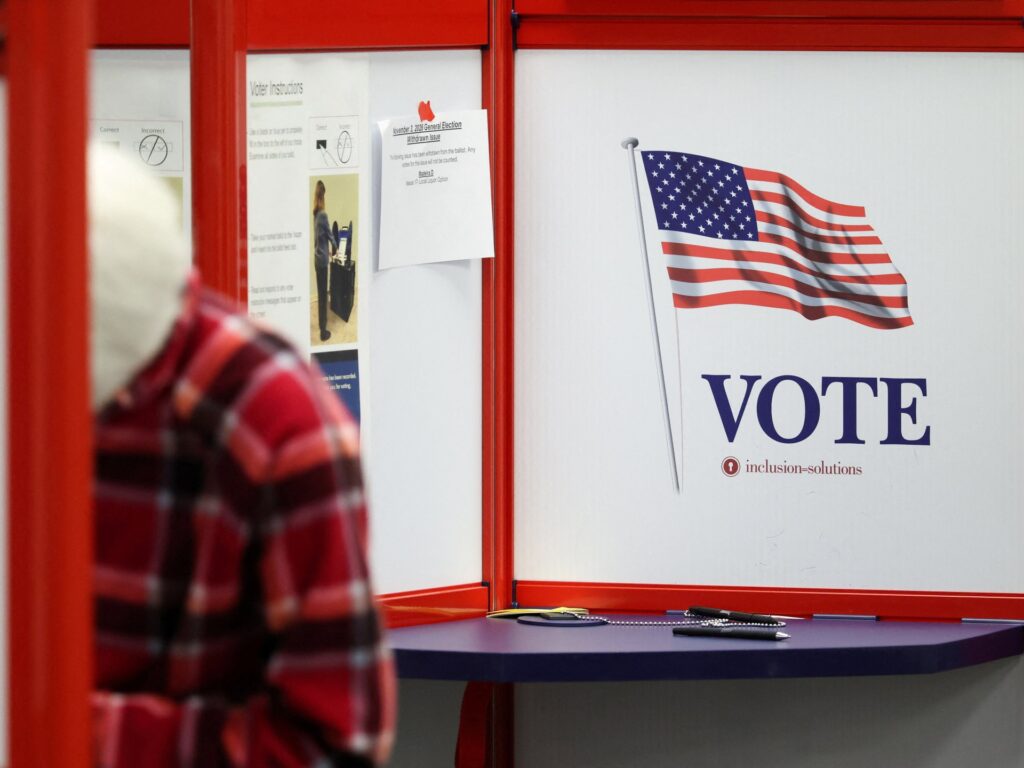
In an unprecedented surge of early voting, more than 50 million votes have already been cast in the 2024 US midterm elections. This record-breaking number surpasses previous midterm participation levels and signals heightened voter engagement across the nation. Both the Democratic and Republican parties have ramped up their campaigning efforts leading up to Tuesday’s polls, aiming to mobilize their bases amid a highly charged political climate.
The significant early turnout is indicative of several key factors shaping the election landscape. First, widespread concerns over major issues such as the economy, healthcare, and social justice have galvanized voters, prompting many to exercise their right well before Election Day. Second, the expansion of early voting options and mail-in ballots has made voting more accessible, contributing to the surge in participation.
Political analysts note that the volume of early votes could hint at the tightness of the races across states, with several battleground areas showing closely contested campaigns. The high turnout also underscores the polarization of American politics, with voters motivated by sharply contrasting visions for the country’s future.
Historically, midterm elections tend to see lower turnout than presidential elections, but this year’s trend suggests that voters are more energized. This shift could have significant implications for control of Congress, as the House of Representatives and the Senate seats are fiercely competitive. A strong turnout for either party could alter the balance of power and impact legislative agendas.
Candidates from both sides have seized on the momentum, intensifying grassroots outreach and digital campaigns to encourage last-minute votes and ensure high engagement. The record early vote numbers also put pressure on election officials to efficiently and securely process ballots, ensuring a smooth and transparent counting process.
In summary, the record-breaking early vote count in the 2024 US midterm elections represents a highly engaged electorate and a politically charged environment. The outcomes of these elections will not only influence national policy directions but also reflect the broader mood and priorities of the American public at a critical juncture in the country’s history.