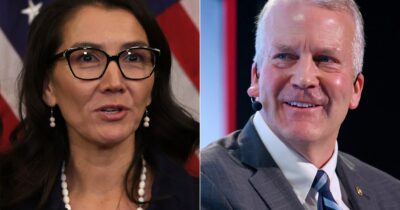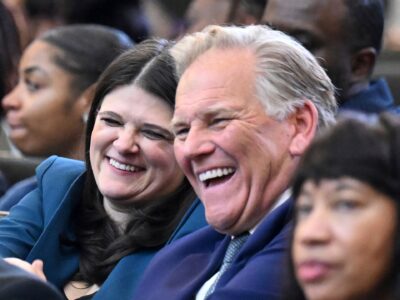
In a surprising political development, Michigan Democrat Haley Stevens has endorsed Republican Senate candidate Mike Rogers. Stevens, who currently serves as a U.S. Representative, lost the Democratic primary to Abdul El-Sayed. After her primary defeat, Stevens chose to back Rogers, effectively crossing party lines in the highly competitive Michigan Senate race.
This endorsement has caught the attention of political analysts and voters alike, as it is unusual for a sitting member of Congress to endorse a candidate from the opposing party, especially in a major Senate race. Haley Stevens’ decision may signal deeper political dynamics within Michigan’s Democratic Party or a strategic calculation regarding the candidates’ platforms and electability.
Abdul El-Sayed, the Democratic nominee who defeated Stevens in the primary, is known for his progressive agenda and focus on healthcare reform, economic justice, and climate change. Meanwhile, Mike Rogers, the Republican candidate, is a former U.S. Representative with a track record emphasizing national security, conservative fiscal policies, and traditional values.
Stevens’ endorsement of Rogers could influence moderate Democrats and independent voters who respect her judgment and experience. It also reflects potential divisions within the Democratic electorate in Michigan, as well as the challenges the party faces in uniting behind a candidate with a strong progressive stance.
Michigan’s Senate race is one of the most closely watched contests in the country, with significant implications for control of the U.S. Senate. The state’s diverse electorate includes urban centers, suburban districts, and rural communities, all of which have varying priorities and political leanings.
The endorsement is likely to intensify the Senate race, as it provides Republicans with a talking point about bipartisan support for Mike Rogers. For Democrats, it poses a challenge to consolidate their base and rally voters around Abdul El-Sayed despite the intra-party tensions.
Political commentators suggest that Stevens’ move could encourage more centrist Democrats and independents to consider Rogers as a viable choice. It also raises questions about the future cohesion of the Democratic Party in Michigan and beyond, especially as ideological divides continue to shape U.S. politics.
As the general election approaches, both campaigns are expected to adjust their strategies in response to this development. Mike Rogers’ campaign may highlight Stevens’ endorsement to showcase his appeal beyond traditional Republican voters.
On the other hand, Abdul El-Sayed’s campaign might emphasize party loyalty and progressive values to energize the Democratic base. The race in Michigan will be a bellwether for broader national trends in political alliances and voter behavior.
Overall, Haley Stevens’ endorsement of Mike Rogers marks a significant moment in the Michigan Senate race, reflecting the complex and evolving nature of political alliances. Voters in Michigan and across the nation will be watching closely as the contest unfolds, knowing that the outcome could shape the balance of power in the U.S. Senate and influence key policy debates in the coming years.