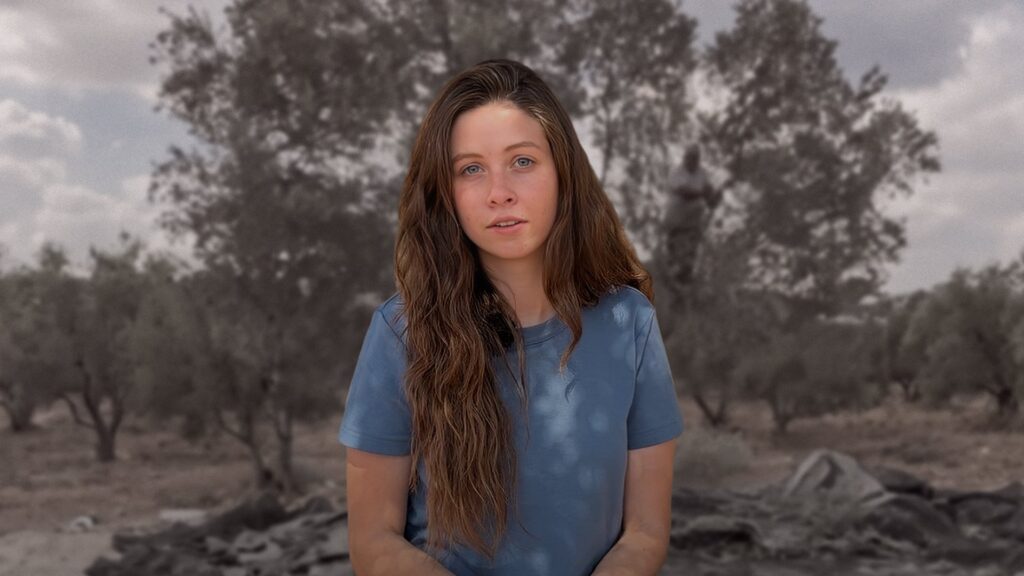
In the occupied West Bank, a harsh and paradoxical reality has emerged where Palestinians are increasingly described as ‘stealing their own olives.’ This term reflects the dangerous conditions under which Palestinian farmers must harvest their olive crops amid the presence of Israeli settlers.
Olive trees hold significant cultural, economic, and emotional value for Palestinians. For many families, olive harvesting season is a vital part of their livelihood, tradition, and identity. However, the ongoing conflict and occupation have tragically turned this peaceful agricultural activity into a hazardous endeavor.
In recent years, Israeli settlers in the West Bank have escalated their encroachments on Palestinian farmland, particularly targeting olive groves. These settlers, backed by a complex system of military and legal support, have been accused of harassing farmers, damaging olive trees, and occasionally committing violent acts during the olive harvest.
Palestinians attempting to pick their olives often face intimidation and violence. Settlers have reportedly taken over olive groves under the guise of protecting their own security or claiming ownership rights, thereby preventing Palestinian farmers from accessing their land. This situation has led to the ironic and tragic phenomenon of Palestinians being accused of ‘stealing’ their own produce when they enter their fields to harvest.
The consequences of these conflicts extend beyond immediate physical harm. Damage and destruction of olive trees, some of which are decades or even centuries old, represent not just a financial loss but also an assault on Palestinian heritage and identity. Olive trees symbolize steadfastness and connection to the land, making their destruction a deeply symbolic act.
International observers and human rights organizations have repeatedly documented incidents where settlers have attacked Palestinian farmers during the olive harvest. These attacks range from verbal abuse and threats to physical violence and property damage. Israeli military forces, present in the area, have sometimes been criticized for failing to prevent such incidents and, in some cases, for enabling settler aggression.
The agricultural season for olives is a time of heightened tension in the West Bank, as both Palestinian communities and Israeli settlers assert conflicting claims over land and resources. Palestinian farmers must often organize community patrols or request protection to safely harvest their olives, adding complexity and stress to what should be a natural and peaceful process.
Moreover, the economic impact on Palestinians is severe. Olive products, including olive oil, constitute a significant portion of Palestinian exports and local economy. Loss of access to groves or damage to crops threatens the financial stability of many families and communities.
Efforts to resolve these tensions are complicated by the broader Israeli-Palestinian conflict, ongoing settlement expansion, and lack of a political solution. Meanwhile, Palestinian farmers continue to struggle to exercise their rights to land and resources amid a fraught and dangerous environment.
In conclusion, the characterization of Palestinians as ‘stealing their own olives’ starkly illustrates the challenges faced in the occupied West Bank. Olive harvesting, a symbol of heritage and sustenance, has tragically become a battleground where issues of land rights, identity, and survival intersect amid ongoing conflict and occupation.