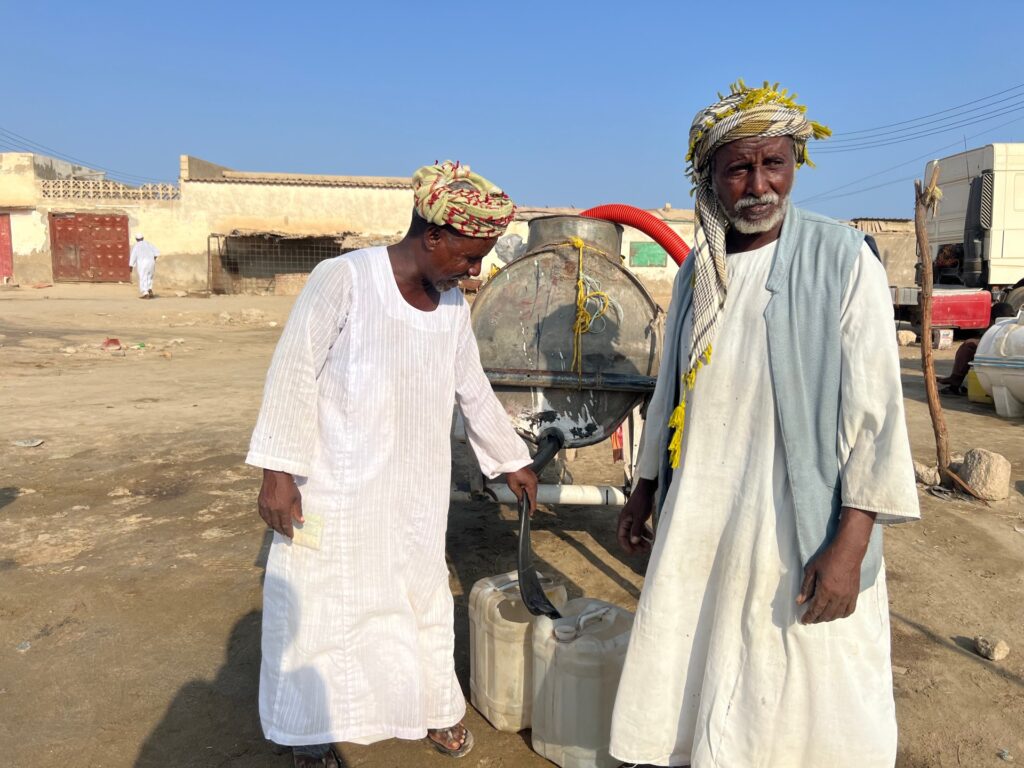
Port Sudan is grappling with persistent water shortages that are severely impacting the daily lives of its residents. Families in the city are facing soaring water costs, making it increasingly challenging to afford this essential resource. Despite ongoing efforts to restore damaged water infrastructure, the supply remains under immense strain due to the prolonged effects of war and widespread displacement.
The conflict in the region has taken a heavy toll on the city’s water systems. Infrastructure that once reliably supplied water has been damaged or destroyed, and rebuilding these facilities has proven difficult and slow. As a result, the availability of clean water has become unpredictable and insufficient for the city’s growing population, many of whom have been displaced from surrounding areas.
Residents have reported paying significantly higher prices for water, often relying on private vendors who charge premiums due to scarcity. This has forced families to cut back on their water use, affecting hygiene and health standards. In some cases, the lack of affordable water has led to increased tensions within communities competing for limited resources.
Local authorities and humanitarian organizations are working to address the crisis. Efforts include repairing pipelines, restoring pumps, and implementing water distribution programs to reach the most vulnerable populations. However, these measures are hampered by ongoing security concerns and logistical challenges.
The water shortage in Port Sudan highlights the broader humanitarian impact of the conflict on civilian infrastructure and basic services. Access to clean water is a fundamental human right, yet many families in the city face daily uncertainty over their ability to secure enough for drinking, cooking, and sanitation.
Experts warn that without sustained intervention and peace in the region, the water crisis could worsen, with potentially severe consequences for public health and social stability. International aid and a coordinated response are crucial to support infrastructure rehabilitation and ensure equitable water distribution.
In the meantime, residents continue to navigate the hardships imposed by water scarcity, hoping for swift improvements amid difficult circumstances. The situation remains a stark reminder of how conflict disrupts not just security but the essential needs that sustain life.