In a recent military action, Jordan conducted air strikes in southern Syria, resulting in the deaths of at least seven individuals, among them three innocent children. This tragic event has brought to light the personal stories of those who lost their lives, highlighting the profound human cost behind the statistics.
The air strikes targeted areas deemed to be of strategic importance, but the aftermath revealed a devastating toll on civilian lives. Among the victims are families who were caught in the crossfire, unable to escape the sudden violence that shattered their peace.
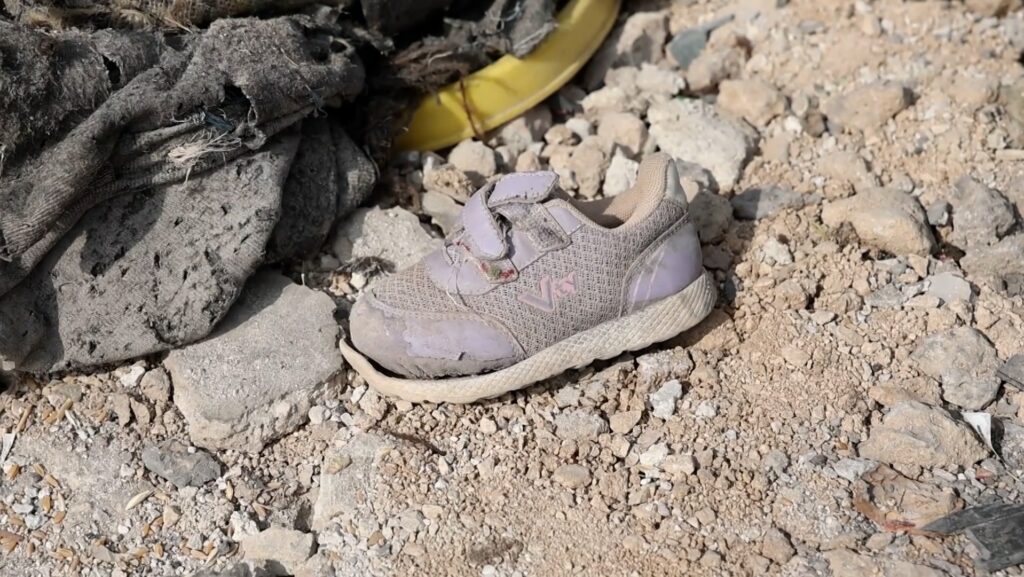
One of the children, only seven years old, was found in the rubble of what was once their home, a place that had provided safety and comfort until the tragic attack. Another child, aged nine, was among those injured and later succumbed to wounds sustained during the strike. Their stories are a grim reminder of the vulnerability of innocent lives in conflict zones.
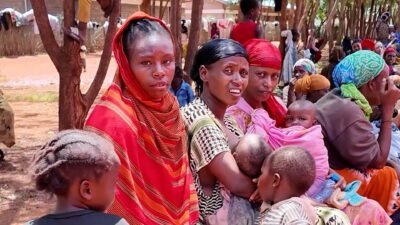
Survivors speak of the chaos and fear following the air strikes, with many recounting how their neighborhoods turned into scenes of destruction within moments. The community that once thrived together now mourns deeply, grappling with grief and loss.
Local humanitarian groups have called for urgent aid and support for the affected families, emphasizing the need for medical assistance, psychological counseling, and rebuilding efforts to restore what was lost. The international community has also been urged to investigate the circumstances surrounding the strikes and to work towards a resolution that prevents further civilian casualties.
This incident has sparked debates about the consequences of military actions in densely populated areas, the rules of engagement, and the protection of non-combatants during armed conflicts. The tragic stories of the Jordanian air strike victims in Syria serve as a somber reminder of the human dimension of warfare and the imperative to prioritize peace and security for all communities involved.
As families mourn their loved ones, their stories call on all parties to seek peaceful solutions and to protect civilians from the horrors of war. The legacy of these victims underscores the urgent need for dialogue, reconciliation, and a commitment to end the cycle of violence that has plagued the region for years.