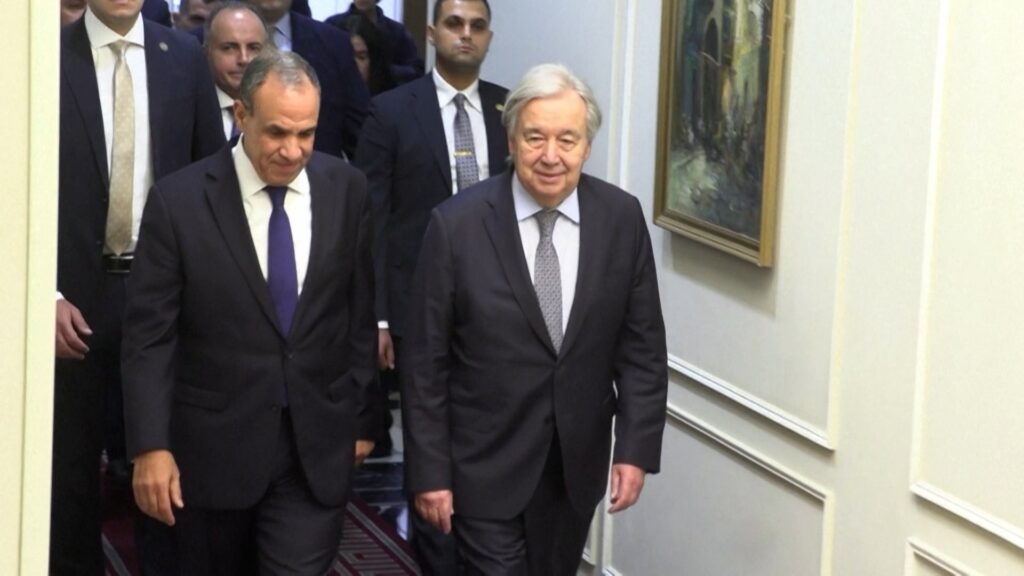
United Nations Secretary-General Antonio Guterres has issued a stark warning over the escalating tensions between Iran and Gulf nations, cautioning about the potentially devastating ramifications of any military confrontation in the region. Guterres emphasized that an escalation in conflict could lead to consequences so severe they are almost unimaginable, affecting not only the Gulf but global peace and security.
The Gulf region remains a vital geopolitical area, home to critical oil shipping lanes and a variety of ethnic and political interests, making it a flashpoint for international tensions. Recent developments, including over disputes related to nuclear programs, regional influence, and economic sanctions, have heightened the risk of conflict.
Guterres called for urgent diplomatic efforts to de-escalate tensions and urged all parties to engage in dialogue rather than resorting to military options. He highlighted the role of the United Nations as a platform for peaceful negotiation and conflict resolution.
The Secretary-General’s concerns underline the fragility of peace in a region that has historically experienced cycles of conflict fueled by sectarian divides and external interventions. International actors, including the United States, European Union, and neighboring Middle Eastern countries, have been monitoring the situation closely, advocating for restraint and constructive diplomacy.
Aside from military risks, an escalation could severely impact the global economy, particularly energy markets, given the Gulf’s significance as an oil supplier. Potential disruptions in oil supply chains could cause price volatility and economic instability worldwide.
In his statement, Guterres urged the concerned nations to consider the broader consequences of their actions, stressing that stability in the Gulf is crucial not only for regional populations but for international peace and economic stability.
He pledged the United Nations’ continued support to facilitate dialogue and promote a peaceful resolution to the disputes. The Secretary-General also warned that failure to contain the situation might necessitate increased humanitarian aid and crisis response efforts to address fallout from any conflict.
Global reactions have included calls for calm and the reinforcement of existing diplomatic channels. Regional leaders have acknowledged the threats but remain cautious amid complex geopolitical dynamics influencing their decisions.
As the situation remains tense, the international community watches closely, hoping that Guterres’ warning will catalyze renewed commitments to peace and prevent an escalation that could have far-reaching and destructive consequences.