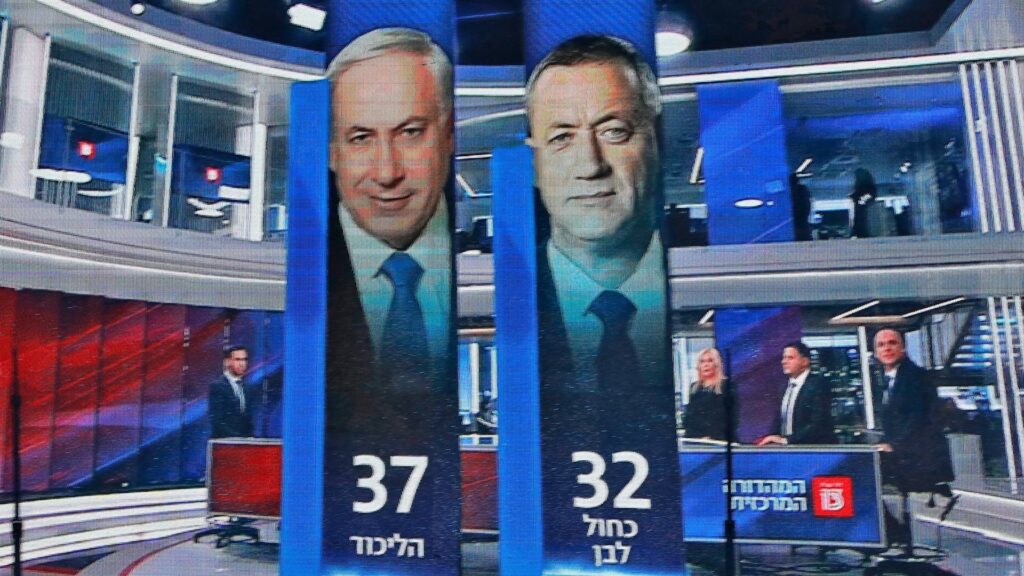
As Israel approaches its general election, sentiments among both Palestinians and Israelis reveal a complex tapestry of hopes, frustrations, and calls for change. The political climate is charged, with many Israelis expressing a desire for new directions, while others remain staunch supporters of Prime Minister Benjamin Netanyahu.
In the lead-up to the election, the phrase ‘Enough is enough’ resonates deeply across the societal spectrum. For some Israelis, this reflects a growing weariness with the current leadership’s approach to governance, security, and social policies. These citizens express concern over ongoing conflicts, economic challenges, and the divisive political environment that they believe has intensified under Netanyahu’s tenure.
On the other hand, Netanyahu’s supporters argue that his experience and strong stance on national security are crucial in these turbulent times. They emphasize the threats posed by regional adversaries and insist that continuity in leadership offers stability and a firm hand in negotiations.
Meanwhile, Palestinians also have voices in the discourse, reflecting varied perspectives influenced by their experiences under occupation and aspirations for statehood. Many Palestinians view the election as a potential pivot point, hoping for leadership that might advance peace and address humanitarian concerns. However, skepticism remains high due to decades of failed negotiations and persistent tensions.
Community leaders and analysts note that this election could significantly impact the future trajectory of Israeli-Palestinian relations. There is cautious optimism among some that new leadership might embrace dialogue and seek solutions that address the core issues. Yet, there is also apprehension that hardline stances could escalate conflicts.
The public debates, media coverage, and grassroots discussions across Israel and Palestinian territories illustrate the urgency felt by both peoples. Calls for change are often accompanied by fears about security and identity, underscoring the election’s high stakes.
International observers watch closely, understanding that the election outcomes will reverberate beyond the region. Policies shaped by the elected government will influence peace efforts, economic cooperation, and geopolitical alliances.
For ordinary citizens, the election is more than a political event; it is a moment charged with personal hopes and concerns. Israelis and Palestinians alike envision a future that offers security, dignity, and opportunity, making the election a critical juncture in their intertwined histories.
As voters head to the polls, the question remains: will the election bring about meaningful change or reinforce the status quo? The answers will unfold in the days and months to come, defining the course of a land steeped in conflict yet yearning for peace.