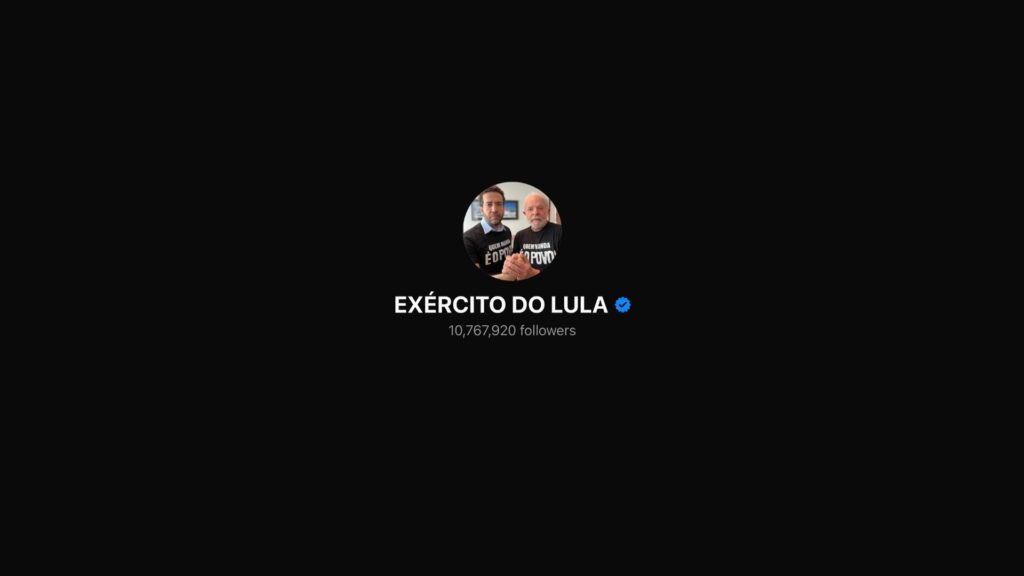
In the recent Brazilian presidential election, one of the most significant factors contributing to Luiz Inácio Lula da Silva’s victory was the strategic use of a WhatsApp channel that engaged over 10 million supporters. This innovative approach demonstrated the power of digital communication platforms in modern political campaigns.
WhatsApp, a highly popular messaging app in Brazil, became an essential tool for Lula’s campaign team. By creating a dedicated channel, they were able to disseminate tailored messages, campaign updates, and motivational content directly to a vast audience eager to support Lula’s bid for presidency.
The WhatsApp channel allowed for rapid and efficient communication, bypassing traditional media filters and reaching supporters in real-time. This direct engagement helped build a strong sense of community among Lula’s followers, fostering loyalty and enthusiasm.
Furthermore, the campaign leveraged WhatsApp to mobilize grassroots efforts, encouraging volunteers to participate in canvassing, voter registration drives, and get-out-the-vote initiatives. The seamless sharing of multimedia content, such as videos, images, and voice notes, enhanced the emotional appeal of the campaign’s messaging.
This approach contrasted sharply with the incumbent’s campaign, which relied more heavily on conventional media outlets and was less effective in harnessing the viral potential of social messaging apps.
The success of Lula’s WhatsApp channel highlighted several key trends in contemporary politics: the growing importance of social media platforms for electoral campaigns, the power of digital grassroots mobilization, and the increasing role of personalized communication in engaging voters.
Analysts noted that the WhatsApp channel not only spread campaign messages but also helped counter misinformation by providing followers with verified updates and facts directly from Lula’s team. This was crucial in a political environment often plagued by fake news and divisive rhetoric.
Moreover, the channel served as a platform for interactive dialogue, with supporters able to ask questions, receive responses, and share their own testimonials, strengthening the campaign’s relational outreach.
Lula’s effective use of WhatsApp underscores a broader shift in how political campaigns are conducted in the digital age. The ability to cultivate a large, engaged online community can translate into tangible electoral success, especially in countries where mobile messaging apps have high saturation.
The campaign’s success has prompted other political groups in Brazil and beyond to reconsider their digital strategies, emphasizing the need for innovative, inclusive, and interactive online engagement tools.
In summary, the WhatsApp channel was not merely a communication medium but a dynamic campaign hub that galvanized over 10 million Lula supporters. It played a pivotal role in his electoral triumph by enhancing direct voter contact, enabling rapid message dissemination, fostering community spirit, and empowering grassroots activism.
This case study serves as a powerful example of how modern digital tools can influence democratic processes and reshape political landscapes, marking a new era where social messaging apps are central to winning elections.