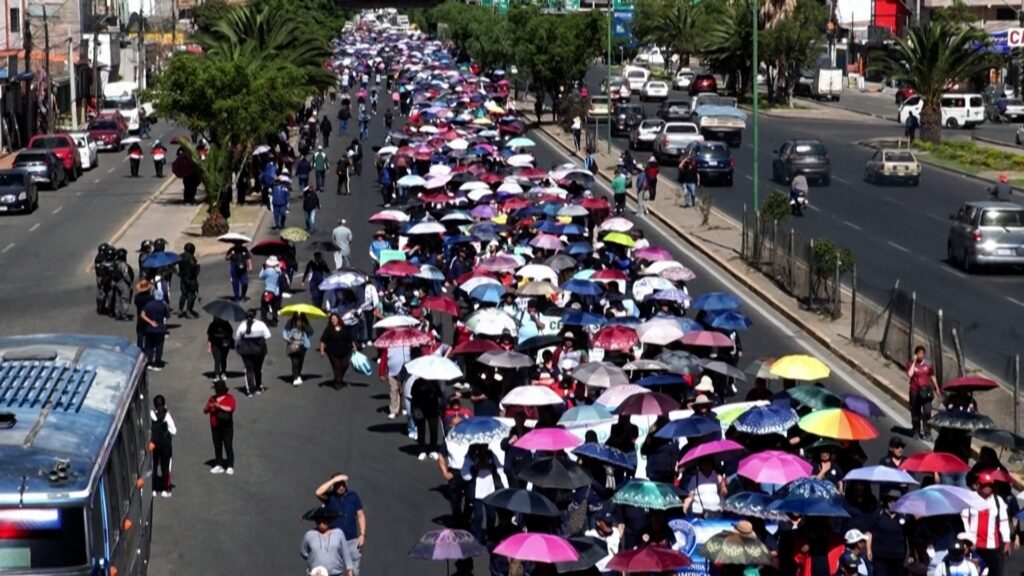
In Bolivia, teachers across the country have launched a significant strike to protest low wages and proposed education reforms that they argue will negatively impact the quality of education. The strike, which began earlier this week, has brought schools in various regions to a standstill, affecting thousands of students.
Teachers are demanding substantial wage increases to keep up with rising living costs and inflation. They claim that the current salaries are insufficient for the demanding nature of the profession, which involves long hours and high responsibility.
The education reform proposals introduced by the government are also a central point of contention. Teachers argue that these reforms prioritize administrative changes over improvements in educational resources and teacher training. Many fear that the reforms could lead to job insecurity and a decline in educational standards.
Union leaders have called on the government to engage in meaningful dialogue to address these concerns. They emphasize the importance of investing in education and respecting teachers’ rights to ensure a better future for the country’s youth.
The government, on the other hand, has expressed willingness to negotiate but insists that reforms are necessary to modernize the education system and improve overall efficiency. They have urged teachers to return to classes while negotiations continue.
Parents and students have expressed mixed feelings, with some supporting the teachers’ demands and others worried about the disruption to learning.
As the strike continues, it remains to be seen how both sides will reach a compromise that balances fair wages, quality education, and sustainable reform.