In a significant development in Argentina’s ongoing efforts to confront its dark past, forensic anthropologists have identified the remains of at least 38 victims of the country’s last military dictatorship. These identifications shed light on the atrocities committed during what is known as the ‘Dirty War,’ a period marked by state terrorism from 1976 to 1983.
The ‘Dirty War’ involved systematic human rights violations, including enforced disappearances, torture, and killings, carried out by Argentina’s military junta against suspected political opponents. Thousands of people were abducted and never seen again, creating a legacy of mystery and pain for their families.
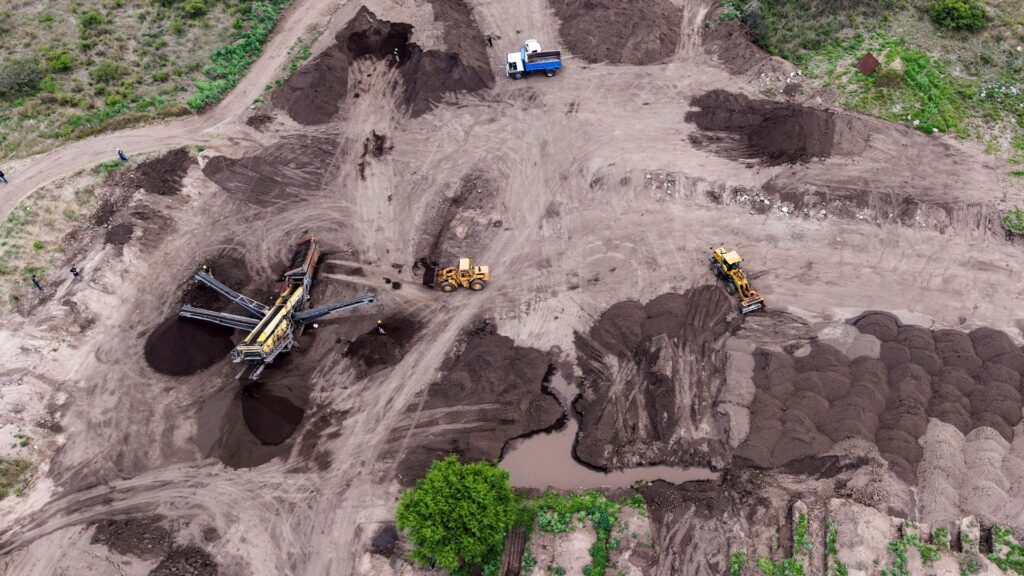
In recent years, forensic science has played a crucial role in uncovering the truth behind these disappearances. A team of skilled forensic anthropologists has been meticulously analyzing skeletal remains, often found in clandestine graves, to provide definitive identifications. This work is vital not only for historical clarity but also for delivering justice and closure.
The identification of these 38 victims was the result of extensive forensic examination, DNA testing, and corroboration with historical records and survivor testimonies. Each identification represents a step forward in acknowledging the brutal realities faced by victims and their families.
Argentina’s commitment to uncovering the truth about the ‘Dirty War’ reflects broader social and political efforts to reckon with the past. The country continues to pursue legal actions against former military personnel and others responsible for the atrocities.
Victims’ families have expressed a sense of relief and sorrow upon receiving confirmations of their loved ones. Many had lived with unresolved grief, hoping to finally reclaim their relatives’ identities and dignity.
The forensic anthropologists involved are praised for their dedication to this sensitive and challenging work. Their efforts ensure that the victims’ stories are not forgotten and that memory serves as a foundation for justice.
Beyond national significance, these identifications have also contributed to the global understanding of state-sponsored violence and the importance of forensic science in human rights investigations.
While the scars of the ‘Dirty War’ remain, Argentina’s painstaking process of identification and remembrance reflects a collective commitment to truth and reconciliation.
This development is a poignant reminder of the long-lasting impact of political repression and the enduring human spirit seeking justice and peace.