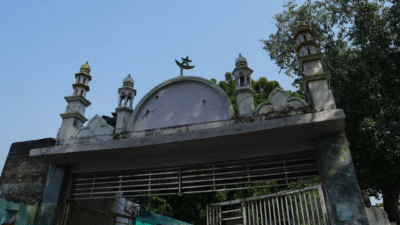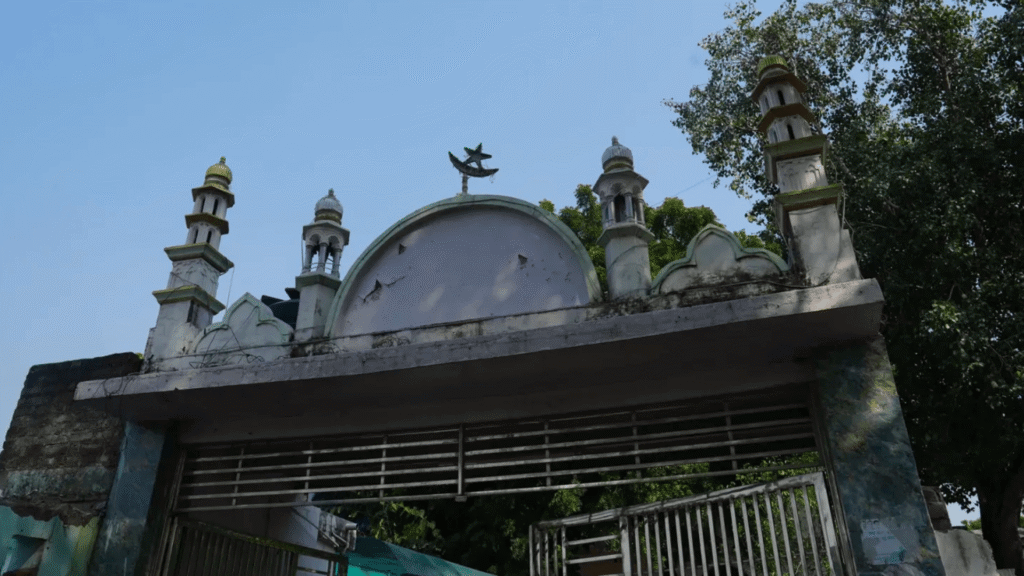
A historic mosque located near the residence of India’s Prime Minister is currently under threat of demolition, stirring significant concern among the country’s Muslim community. The mosque, which has stood for over a century, is not just a place of worship but a symbol of heritage and history for many locals.
The turmoil began when the mosque’s imam publicly stated that he had received an eviction notice from government authorities. This notice has raised fears that the authorities might be planning to demolish the mosque, although official statements have been sparse and unclear.
This development has caused an uproar among Muslims in the region, who view the mosque as an integral part of their cultural and religious identity. Many fear that its demolition would not only erase a significant historical landmark but also deepen communal tensions in an already sensitive environment.
Local activists and community leaders have voiced their opposition to the eviction and potential demolition, calling for the preservation of the mosque. They argue that the mosque serves as a peaceful place for worship and community gatherings, fostering interfaith harmony and understanding.
Historians also emphasize the mosque’s importance as a historical site that represents the diverse cultural fabric of India. They warn that its destruction could set a dangerous precedent for other cultural and religious sites across the country.
Government officials have remained mostly silent on the issue, leading to increased speculation and anxiety. Some believe the eviction notice is part of broader urban development plans in the area, but no clear communication has been provided to the mosque’s caretakers or the public.
The matter has attracted national and international attention, with human rights groups urging the Indian government to respect religious freedom and cultural heritage. They call for a transparent dialogue involving all stakeholders before any action is taken.
In response to the mounting pressure, legal experts suggest that the mosque’s caretakers may seek intervention through the courts to prevent demolition. Any legal proceedings are expected to highlight the need to balance urban development with the preservation of historical and religious sites.
The situation remains fluid, with community members organizing peaceful protests and campaigns to raise awareness. The future of the century-old mosque hangs in the balance, reflecting broader issues of minority rights and cultural preservation in India.
As this story unfolds, it underscores the complex relationship between heritage conservation, religious freedoms, and governmental actions in modern India. The outcome will likely have lasting implications for how historic sites and minority communities are treated in the country moving forward.