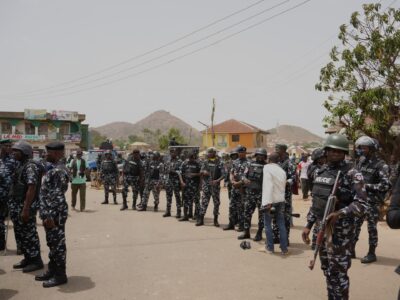
The ongoing conflict in Ethiopia’s Tigray region reached a critical juncture as rebel leaders were urged to disarm while a prominent rebel commander vowed to keep fighting the government forces. The tensions stem from a decades-long power struggle, recently escalating into fierce clashes after government-allied forces seized the Tigray regional capital.
The rebel commander, a key figure in the Tigray People’s Liberation Front (TPLF), publicly pledged to resist what he called “aggressive government actions” aimed at dismantling the self-administration of the Tigray region. “Our fight is just, and we will continue to resist until our rights and autonomy are restored,” he declared in a recent statement.
The Ethiopian government, on the other hand, has called on the Tigray rebels to disarm and engage in peaceful dialogue to restore stability in the region. Authorities argue that the military intervention was necessary to quell insurgency and restore federal authority, but acknowledge ongoing challenges in reaching a lasting peace.
This conflict has led to significant humanitarian concerns, including mass displacement, severe food shortages, and destruction of infrastructure in the Tigray region. International organizations and neighboring countries have expressed deep concerns and have called for ceasefire and humanitarian access.
Efforts at mediation have been intermittent. Regional bodies and international stakeholders have pushed for negotiations, emphasizing the need for a political solution over prolonged warfare. However, mistrust between the parties and competing political aims have stalled meaningful progress.
The unrest in Tigray has broader implications for Ethiopia’s stability and regional security. The prolonged fighting risks exacerbating ethnic tensions across the country and poses challenges to economic development and unity within Ethiopia.
The rebel commander’s commitment to continue fighting underlines the complexities involved in resolving the conflict. While calls for disarmament symbolize hope for peace, the path toward reconciliation remains fraught with obstacles.
As the conflict evolves, the international community’s role in supporting dialogue, providing humanitarian aid, and encouraging compromise will be crucial to preventing further escalation.
The Ethiopian government and Tigray rebels face a critical opportunity to choose between continued conflict or peaceful coexistence. The outcome will profoundly affect not only the lives of millions in the Tigray region but also the future of Ethiopia as a whole.