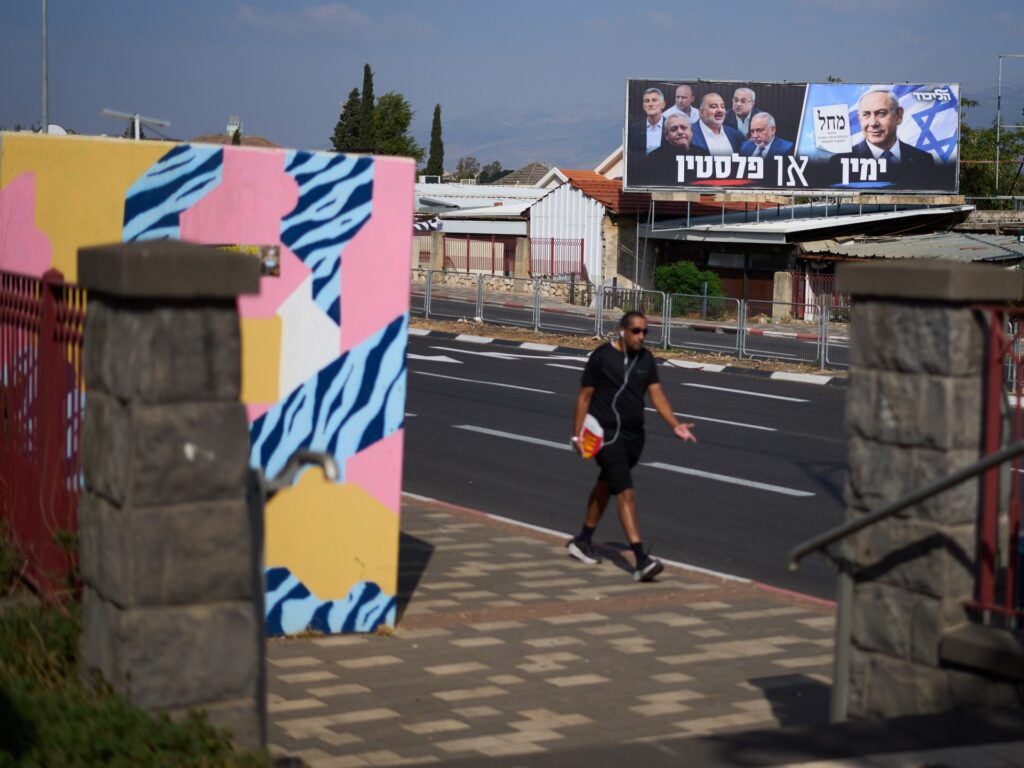
In a revealing trend within Israeli politics, recent data shows that approximately 75% of Jewish first-time voters identify with right or centre-right political ideologies. This proportion is noticeably higher than that of the general Israeli population, signaling a significant generational and ideological shift.
This emerging “Generation Right” appears to be shaping the future political landscape of Israel, with young voters leaning decisively towards conservative and nationalist policies. Analysts suggest that their priorities might be influenced by concerns surrounding national security, economic stability, and cultural identity, areas traditionally emphasized by right-wing parties.
Historically, Israel’s youth votes have been varied, with younger demographics often associated with more liberal or centrist views. However, the new data disrupts this perception, highlighting that first-time voters are not only aligning predominantly with right-wing parties but are doing so in greater numbers than ever before.
Political commentators have pointed out that this shift could have lasting effects on the Israeli government’s policies and its approach to both domestic and foreign affairs. The strong support for right-leaning politics among youth might translate into continued or increased support for conservative governments in upcoming elections.
One contributing factor to this trend is the younger generation’s response to ongoing regional tensions and security threats. The perceived need for a robust defense posture and firm diplomatic stances may be motivating younger voters to favor parties that promote such agendas.
Moreover, socio-economic factors play a role, as right-wing parties often emphasize free-market principles and economic liberalization, appealing to young voters aspiring for economic advancement and job security.
Cultural and religious identity also factor into this political alignment. Many young Jewish Israelis feel a strong connection to nationalistic values and the preservation of Israeli heritage, which are often championed by right-wing factions.
The implications of this trend reach beyond immediate election outcomes. It suggests a potential redefinition of Israel’s political climate, with youth support reinforcing right-wing influence for years to come.
Political analysts are now watching closely as parties strategize to engage this influential segment of the electorate. Campaign messaging, policy proposals, and public outreach are increasingly tailored to address the concerns and aspirations of younger right-leaning voters.
Critics of this shift worry about the marginalization of leftist and centrist perspectives, which have played critical roles in promoting peace initiatives and social reforms. The dominance of right-wing ideology among youth may present challenges to the diversity of thought within Israeli democracy.
Conversely, supporters argue that this trend reflects the genuine views and priorities of the next generation, ensuring that the Israeli government remains steadfast in safeguarding national interests.
In conclusion, the rise of the “Generation Right” among Israeli Jewish youth marks a significant moment in the nation’s political evolution. With three-quarters of first-time voters aligning with right or centre-right ideologies, the future political discourse and governance of Israel are likely to be influenced profoundly by these young conservatives. This development underscores the dynamic nature of political identity and the pivotal role youth engagement plays in shaping national policies and directions.