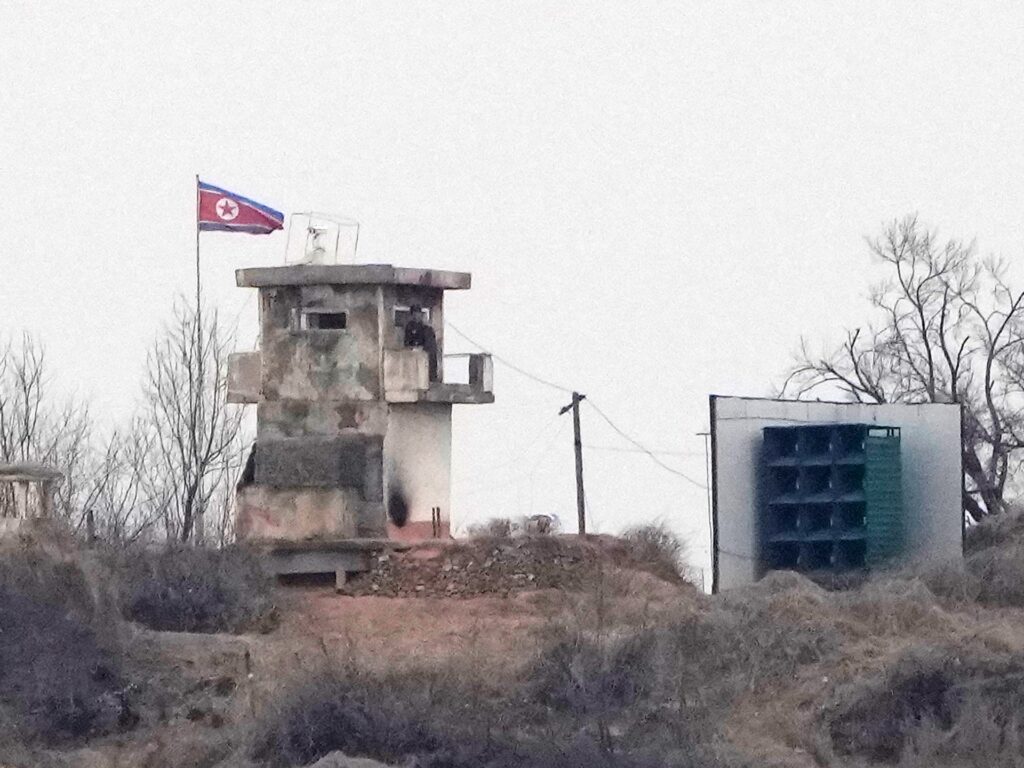
North Korea has announced plans to restart propaganda broadcasts along the heavily fortified border with South Korea. This move comes amid heightened tensions on the Korean Peninsula and marks a renewed effort by Pyongyang to disseminate anti-South Korea content.
The broadcasts, which are transmitted via loudspeakers positioned near the Demilitarized Zone (DMZ), have historically been a tool for North Korea to convey political messages and intimidate the South Korean government and its citizens. The resumption signals a potential escalation in psychological warfare tactics between the two nations.
South Korea’s government has responded by calling for dialogue and peaceful resolution of disputes. Officials emphasized the importance of communication channels remaining open to prevent misunderstandings and reduce the risk of conflict. The South Korean Ministry of Unification expressed concern but reiterated commitment to seeking diplomatic engagements.
Analysts suggest that North Korea’s decision may be linked to ongoing grievances related to South Korea’s military exercises and alliances with other nations. The propaganda broadcasts aim to reinforce North Korea’s stance against these activities while rallying domestic support.
Historically, such broadcasts have included messages critical of South Korean policies and leadership, as well as content promoting North Korean ideology. They often coincide with periods of political tension or stalled negotiations between the two Koreas.
International observers have urged both sides to exercise restraint. The United Nations and various nations have highlighted the need for stability on the peninsula and encourage steps toward reconciliation.
The resumption of propaganda broadcasts serves as a reminder of the fragility of peace efforts in the region. While North Korea seeks to assert its position, South Korea remains focused on maintaining dialogue and avoiding escalation.
The coming weeks will be critical in determining how both countries manage this development. Diplomatic channels may be tested as tensions surface, but the hope for renewed talks and peaceful coexistence persists among regional and global stakeholders.
In summary, North Korea’s plan to resume propaganda broadcasts along the border underscores ongoing challenges in inter-Korean relations. South Korea’s urging for dialogue highlights a contrasting approach centered on communication and diplomacy. The situation demands careful monitoring to prevent further deterioration and to promote stability on the Korean Peninsula.