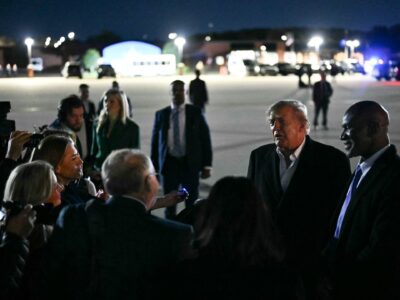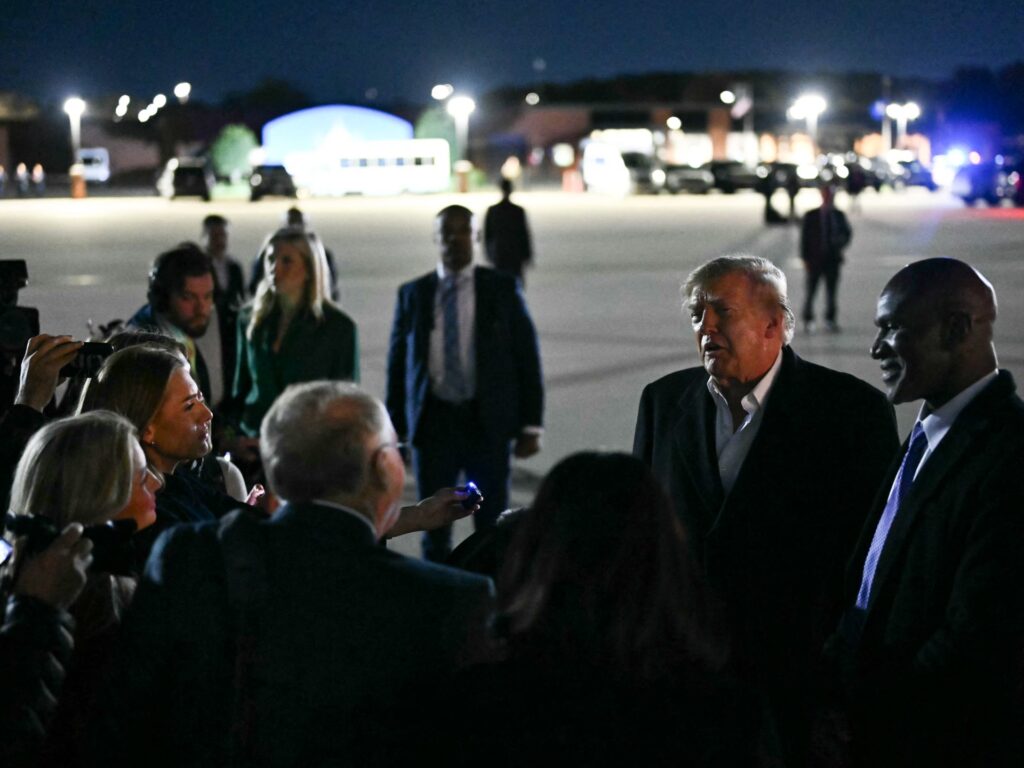
Tensions in the Middle East escalate as US President Donald Trump publicly denies any ongoing negotiations with Iran amid recent maritime incidents near the strategic Strait of Hormuz. The situation, already fraught with geopolitical complexity, saw several ships hit in the vicinity of Hormuz, a critical chokepoint for global oil shipments. President Trump asserted that the United States is not engaging in talks with Tehran, contradicting speculation of backchannel communications.
Trump emphasized that despite the heightened tensions, the conflict is expected to be resolved ‘fairly soon,’ signaling a potential diplomatic resolution amid international concerns. The US administration maintains a firm stance against Iran’s regional activities, which it deems destabilizing.
The incidents near Hormuz have raised alarms among global markets and security analysts, given the area’s pivotal role in energy transport. Early reports indicate that the ships involved in the attacks were commercial vessels, intensifying fears of broader conflict impacts on international trade.
Iran’s government, for its part, has neither confirmed nor denied involvement in the attacks but has warned against what it calls ‘unjustified aggression’ and reiterated its right to defend its sovereignty. Regional allies of the US continue to monitor the situation closely, as do global powers advocating for restraint.
The denial of negotiations by Trump contradicts some narratives about ongoing discreet discussions aimed at de-escalating tensions. Experts suggest that while official talks may not be underway, backchannel communications often persist in crises of this nature.
The US Navy and allied forces have increased their presence in the Gulf but have cautioned against rash military responses, advocating for measured actions until a clearer picture emerges. The situation remains fluid, with international diplomats calling for dialogue and restraint.
This latest development follows months of heightened hostility and economic sanctions targeting Iran, aimed at curbing its nuclear program and influence in the Middle East. The risk of miscalculation and conflict escalation remains high.
In summary, the current stand-off underscores the delicate balance of power in the Gulf region, the strategic importance of the Strait of Hormuz, and the ongoing challenges in US-Iran relations. While President Trump’s statement signals a preference for a swift resolution, the on-ground realities point to a complex and precarious situation requiring careful international engagement.