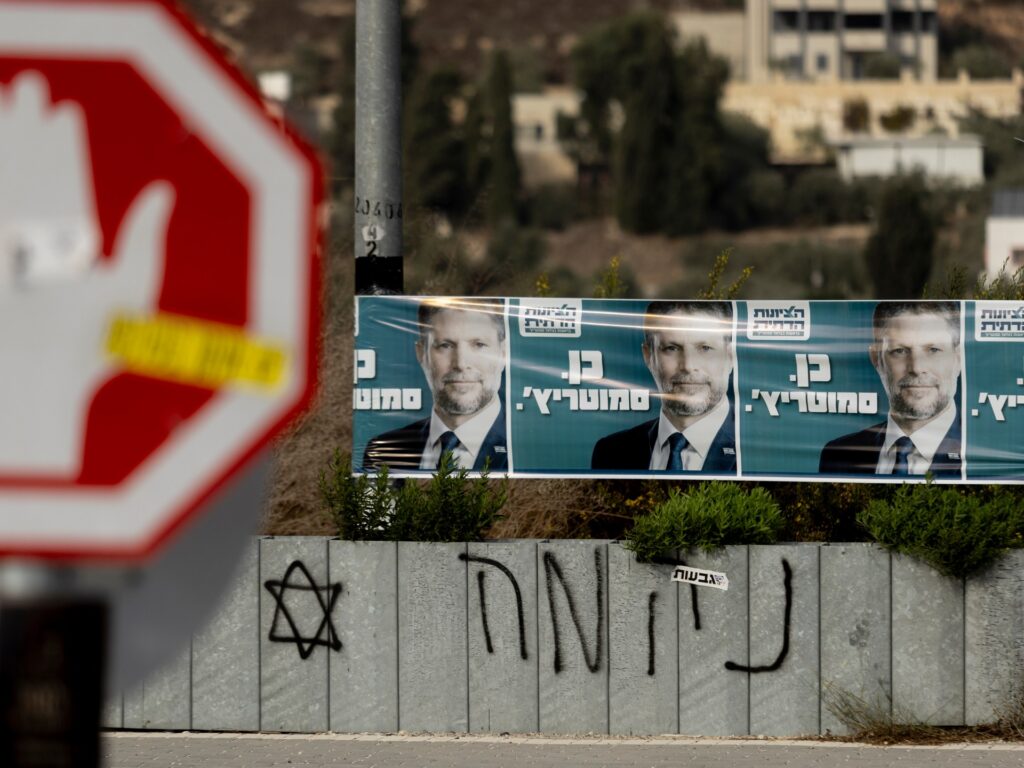
As Israel braces for one of its most pivotal elections, Palestinian citizens find themselves caught in a complex web of emotions and strategic decisions. This election, considered to be at a knife’s edge, highlights the challenging position Palestinian citizens occupy within a political system they perceive as fundamentally stacked against them.
For many Palestinian citizens of Israel, the voting booth represents more than just a civic duty; it is a battleground of principles and pragmatism. On one hand, there is a deep-seated fear rooted in historical and ongoing marginalization, discrimination, and security concerns. On the other hand, disillusionment with the political process and skepticism about the tangible benefits of participation weigh heavily on their collective psyche.
The Israeli electoral system, characterized by complex alliances and often controversial policies regarding Arab citizens, adds layers of difficulty. Palestinian voters are confronted with the dilemma of whether to vote strictly according to principle—supporting parties that directly advocate for their rights and recognition—or to adopt a more strategic approach, supporting candidates who may not fully represent their ideals but could influence power dynamics effectively.
This strategic voting is seen by some as a necessary compromise to gain political leverage and push for incremental change. However, it also risks diluting the Palestinian community’s distinctive voice and priorities in parliament. The tight margins predicted in this election amplify the stakes, as every vote could tip the balance of power.
Community leaders and activists have been vocal about the need for unity and voter mobilization, emphasizing the importance of participation despite the apparent systemic disadvantages. They argue that abstaining from the electoral process would cede ground to policies that might further alienate Palestinian citizens.
Youth involvement, in particular, has been notable, with many young Palestinian voters using social media platforms to discuss and debate their options, expressing a mix of hope and skepticism. This new wave of politically engaged youth reflects a desire for change, whether through existing political structures or transformation from within.
The election also serves as a mirror reflecting broader societal tensions in Israel regarding identity, citizenship, and the definition of democracy. The participation and perspectives of Palestinian citizens are integral to shaping the country’s future, yet their journey through the electoral process remains fraught with dilemmas.
As election day approaches, Palestinian citizens continue to weigh the complex emotions of fear and disillusionment against the imperative to influence a system they often see as exclusionary. Their votes carry profound symbolic and practical significance for the ongoing pursuit of equality, recognition, and justice within Israeli society.
In summary, this election reveals the intricate balancing act Palestinian citizens must perform—between adhering to principled stands and engaging in strategic voting—within a political landscape that challenges their inclusion and representation. Their choices in this critical vote will resonate far beyond the ballot box, shaping the contours of Israel’s democratic fabric for years to come.