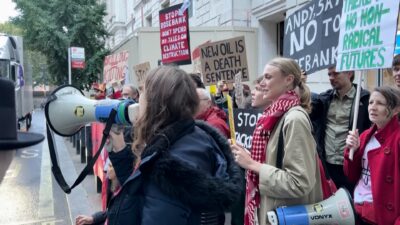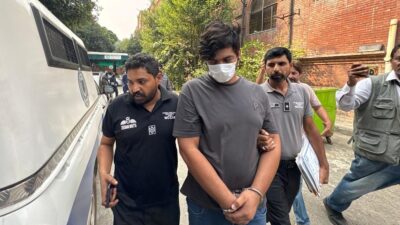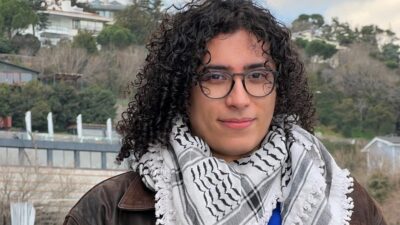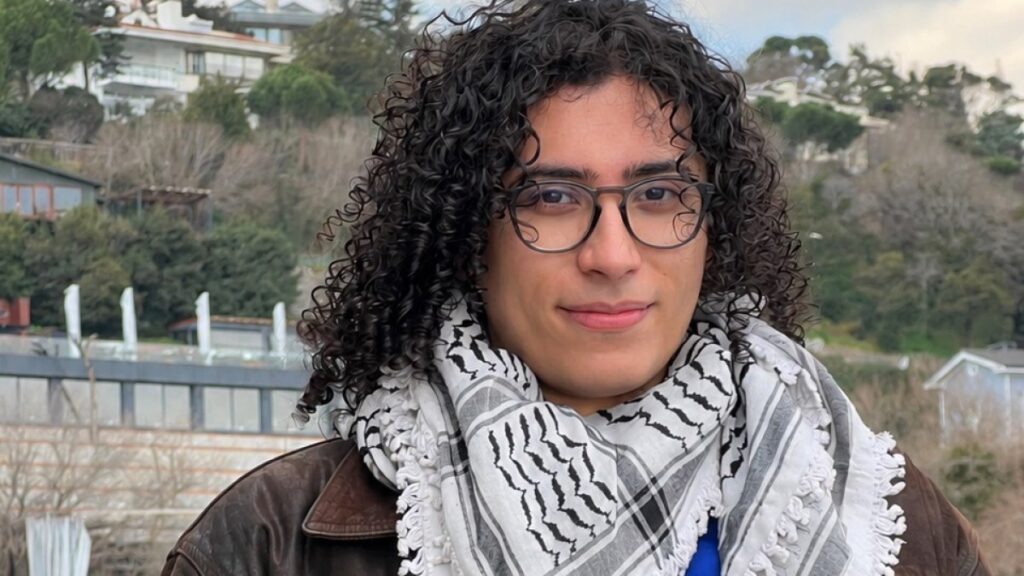
In recent weeks, a group of pro-Palestine activists held in the Czech Republic has drawn significant attention after being accused of an attack on a weapons factory. The incident marks a critical point in what activists and their supporters describe as an escalating crackdown on the solidarity movement within the region.
The detainment of these activists has sparked a wave of concern among human rights organizations and pro-Palestinian supporters who argue that the arrests are politically motivated efforts to silence dissent and suppress advocacy for Palestine.
According to the Czech authorities, the activists allegedly targeted a weapons factory engaged in arms manufacturing. While official investigations are ongoing, the accused deny involvement, maintaining that their activities are peaceful and rooted in raising awareness about the Palestinian cause.
The activists in custody have reported facing harsh treatment and mounting pressure, suggesting authorities aim to fracture the solidarity movement through intimidation tactics. Statements from some detainees highlight feelings of persecution, as they claim, “They try to break us,” underscoring the psychological and emotional toll of their incarceration.
This situation unfolds in a broader context where pro-Palestine movements have been gaining momentum across Europe, advocating against what they perceive as injustices and human rights violations in Palestinian territories. However, these movements often encounter legal challenges and political resistance as governments navigate complex international relations and domestic security concerns.
Czech officials have stated that the investigation will proceed according to the rule of law, emphasizing the importance of national security and public order. They assert that no actions against the activists are aimed at suppressing legitimate political expression but are responses to alleged criminal conduct.
International observers have called for transparent investigations and warned against conflating peaceful activism with unlawful behavior. Human rights advocates fear that such conflations could lead to the criminalization of protest and undermine democratic freedoms.
The solidarity movement responding to the Czech detentions is amplifying its calls for the release of the activists, framing their detention as a symbol of the broader struggle against the suppression of voices supporting Palestinian self-determination and rights.
As legal processes unfold, the case brings to light ongoing tensions between activism, state security, and political expression in Europe, raising critical questions about the balance between safeguarding public safety and protecting civil liberties.
This development underscores the challenges faced by international solidarity movements, particularly those involved in contentious geopolitical issues, and highlights the need for vigilant protection of activists’ rights amidst increasing governmental scrutiny.
In summary, the Czech Republic’s handling of the pro-Palestine activists reflects broader regional and global dynamics around advocacy, dissent, and state power. The unfolding story continues to attract attention from civil society groups, international media, and political analysts eager to monitor its implications for activism and human rights worldwide.