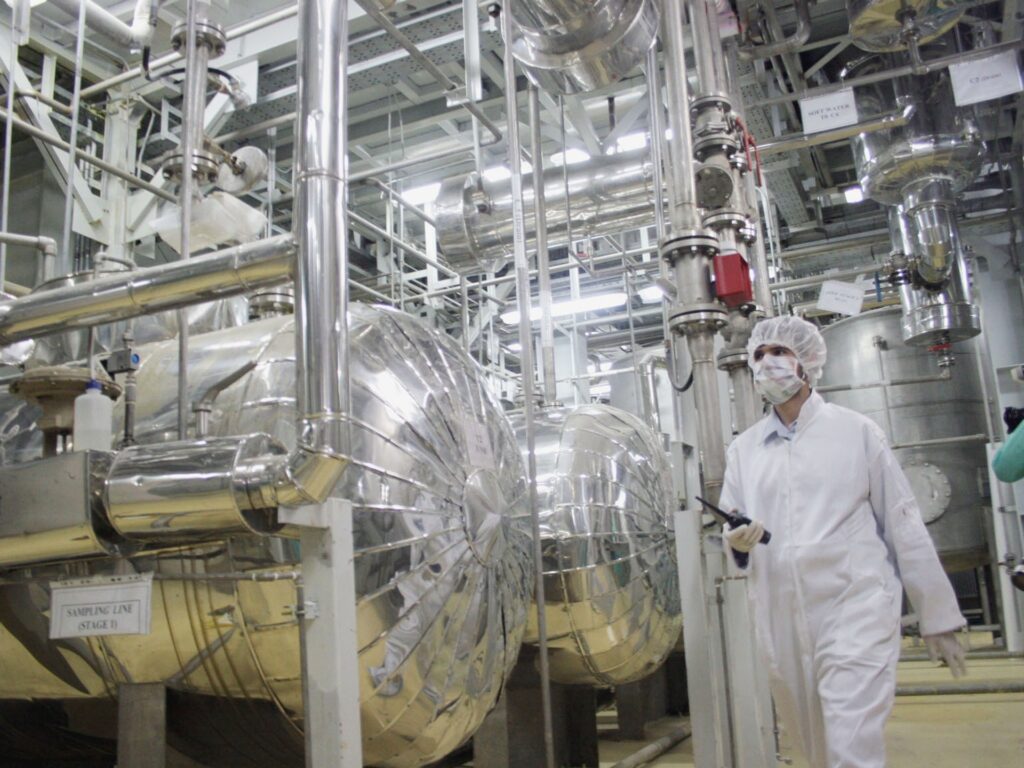
Iran’s nuclear enrichment activities have once again taken center stage in international diplomatic discussions, particularly amid ongoing efforts led by the United States to forge a path towards ending regional conflicts and promoting global stability. The issue of Iran’s enriched uranium has resurfaced as a critical sticking point in talks designed to address broader geopolitical concerns in the Middle East, including potential resolutions to conflicts and the future of nuclear nonproliferation agreements.
In recent months, the focus on Iran’s nuclear program has intensified as inspectors and international observers report increased enrichment levels that have surpassed previous limits established under the 2015 Joint Comprehensive Plan of Action (JCPOA). This development has alarmed the international community, especially the US, which views the enrichment as a potential step towards the development of nuclear weapons capabilities.
Diplomatic efforts are currently underway to bring both Iran and global powers back to the negotiating table to restore constraints on uranium enrichment and enhance monitoring activities. The US, in particular, is pushing for a comprehensive deal that not only prevents Iran from amassing weapons-grade material but also incorporates mechanisms for regional security and conflict resolution.
Iran, however, argues that its uranium enrichment is for peaceful purposes, such as energy production and medical research, and decries what it calls unjustified pressure and sanctions that hamper its sovereign rights. The Iranian government insists on its legal right under the Treaty on the Non-Proliferation of Nuclear Weapons (NPT) to pursue nuclear technology for peaceful aims, while demanding a lifting of economic sanctions to allow economic growth and stability.
The question of uranium enrichment is deeply tied to broader strategic issues in the Middle East, including Iran’s relationships with neighboring countries and its role in regional conflicts. These complexities complicate the negotiation process, as stakeholders weigh Iran’s nuclear ambitions alongside its political and military influence in the region.
International organizations like the International Atomic Energy Agency (IAEA) continue to monitor Iran’s nuclear activities, providing reports that shape the diplomatic dialogue and inform decisions by world powers. As talks progress, the world watches closely, aware that the outcomes could significantly impact not only regional security but global nonproliferation efforts and international diplomatic relations.
The re-emergence of Iran’s enriched uranium as a central issue in US-led talks highlights the challenges faced in balancing national sovereignty, international security concerns, and the quest for peace in a volatile area. It underscores the necessity of continued engagement, transparent dialogue, and creative diplomacy in addressing one of the most intricate security dilemmas of our time.