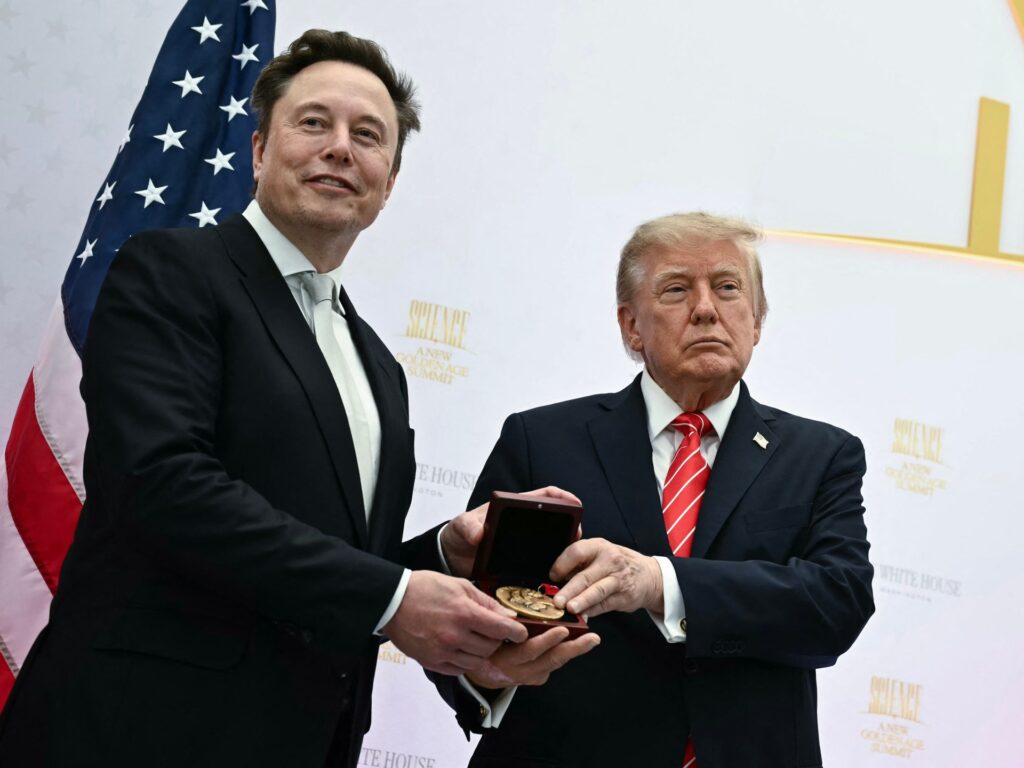
In a high-profile announcement, Elon Musk has pledged $10 billion worth of SpaceX shares to support American children. The timing of this pledge, coming just two weeks before the US midterm elections, has sparked widespread discussion and scrutiny about the motives and possible beneficiaries of this generous commitment.
Elon Musk, the CEO of SpaceX and Tesla, is one of the world’s richest individuals, known for his ambitious ventures into space exploration, electric vehicles, and artificial intelligence. The pledge aims to leverage his vast wealth to benefit the younger generation in the United States, signaling his intention to invest in the nation’s future.
According to reports, the $10 billion worth of SpaceX shares will be allocated to initiatives that support the welfare and development of children across the country. However, details about how these funds will be managed and distributed remain vague, raising questions among policy experts and the public.
Former President Donald Trump has publicly mentioned that the funds will go through “tax-friendly ‘Trump accounts,’” a statement that has added another layer of political complexity to the pledge. The nature of these accounts is not fully clarified, but the implication is that the pledge might benefit from certain tax advantages, potentially influencing the timing and structuring of the donation.
Critics argue that the pledge, announced so close to the midterm elections, might be strategically timed to influence public opinion and garner political favor. Some analysts suggest that such large charitable commitments often come with strings attached or become part of broader political or economic maneuvering.
Furthermore, skepticism arises around who truly gains from Musk’s pledge. While the stated goal is to help American children, the involvement of politically charged accounts and the lack of transparent governance raises concerns about whether these funds will effectively reach the intended beneficiaries.
Supporters of Musk’s move praise the unprecedented scale of the pledge and its potential to fund education, healthcare, and social programs for children. They argue that such large-scale philanthropy can drive significant positive change and inspire other wealthy individuals to contribute more generously to societal causes.
On the other hand, some watchdog groups and policy commentators worry about the precedent set by using complex financial instruments to manage charitable donations, especially if these mechanisms prioritize tax incentives over social impact.
In the broader context, Musk’s pledge reflects the growing trend of billionaires engaging in philanthropy that intersects with politics and media narratives. As debates around wealth distribution, taxation, and social responsibility continue, this pledge is a case study in how large-scale donations can be both beneficial and controversial.
In summary, Elon Musk’s $10 billion pledge in SpaceX shares to support US children is a landmark philanthropic announcement with multiple dimensions to consider. While it holds promise for positive outcomes, the political timing, tax-related mechanisms, and transparency issues invite critical examination about who really gains from this generous commitment. As the nation approaches the midterms, the pledge undoubtedly will remain under close observation by voters, policymakers, and the media alike.