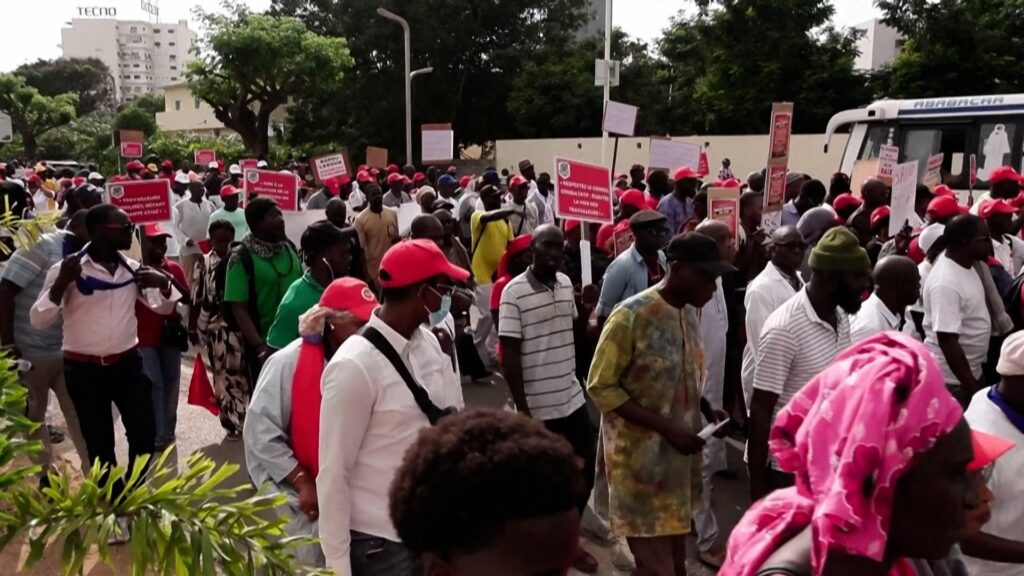
In recent months, cost of living protests have captured headlines across the world, marking a significant wave of public unrest that extends far beyond Europe. Citizens in various countries are taking to the streets to voice their frustrations over rising prices for essentials such as food, fuel, and housing.
While Europe has witnessed notable demonstrations driven by inflation and economic pressures, similar movements have erupted in other continents, highlighting a global challenge. In Latin America, protests have emerged as people grapple with currency devaluation and surging fuel prices. Africa has seen widespread unrest in both urban and rural regions where food insecurity and unemployment are reaching critical levels.
Asia has not been immune either. Countries like India, Indonesia, and the Philippines have experienced public outcries due to increased costs for basic goods and services, compounded by economic slowdowns and pandemic aftershocks.
Analysts point to several common factors fueling these protests worldwide. Inflation rates are soaring globally as supply chain disruptions, energy costs, and geopolitical tensions drive prices upward. Additionally, wage growth has not kept pace with inflation, squeezing household budgets and deepening inequality.
Governments are facing difficult challenges in responding to these protests. Some have implemented subsidies or price controls to ease burdens, while others confront the unrest with law enforcement measures. The effectiveness of these responses varies, with many protesters demanding more systemic economic reforms to address the root causes of their struggles.
The rise in cost of living protests underscores a broader global economic vulnerability. As inflation persists and geopolitical uncertainties continue, many populations remain at risk of economic distress. Policymakers are urged to focus on sustainable solutions that balance short-term relief with long-term economic stability.
International organizations are also paying attention, warning that without coordinated efforts to manage inflation and support vulnerable communities, these protests may escalate and contribute to social and political instability.
In summary, the cost of living protests are a complex and widespread phenomenon, reflecting deep economic and social challenges faced worldwide. They serve as a stark reminder of the urgent need for collaborative global action to ensure that populations can meet their basic needs without enduring financial hardship.