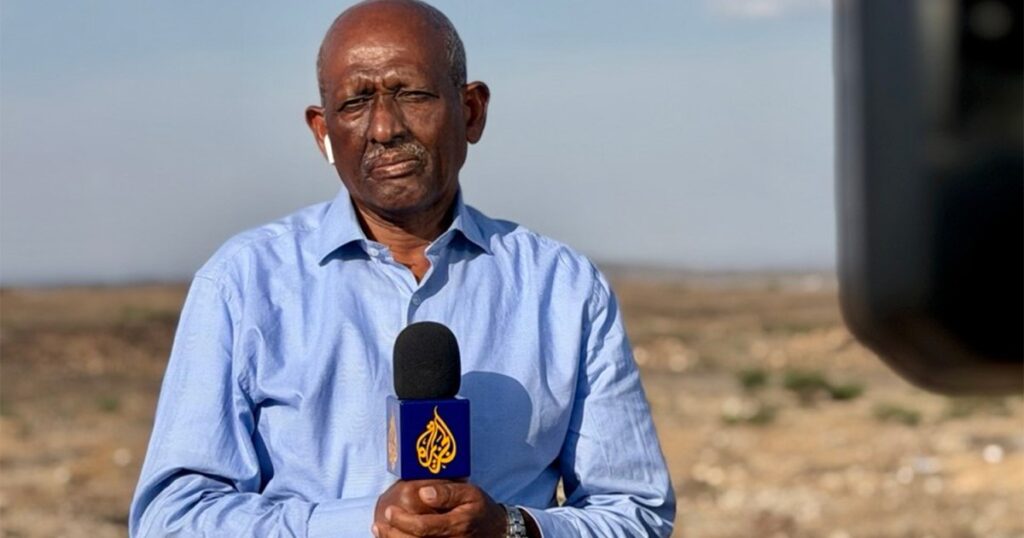
Covering the conflict in Ethiopia has been a profound journey marked by both promise and peril, as shared by an Al Jazeera correspondent who has witnessed the ongoing war between government forces and Tigray rebels firsthand. The correspondent’s experience sheds light on the immense responsibility journalists carry in such volatile environments.
The war in Ethiopia, ignited in November 2020, pits the federal government against the Tigray People’s Liberation Front (TPLF), leading to widespread violence, displacement, and a humanitarian crisis. Reporting from the ground, the correspondent highlights the challenge of navigating a complex and rapidly evolving conflict where information is scarce and often contested.
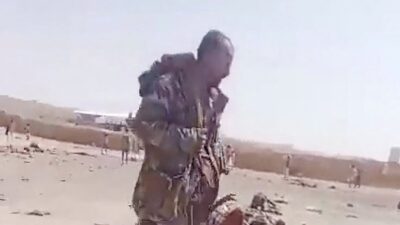
Journalists covering the war must balance the urgent need for truthful reporting with the risks posed by active combat zones. The correspondent recounts scenes of devastation, from bombed-out villages to desperate families fleeing conflict, underscoring the human cost behind headlines.
One of the most significant challenges is gaining access to affected areas amid travel restrictions and security concerns. The correspondent describes efforts to establish contact with locals and officials on both sides to present balanced narratives despite potential propaganda and misinformation.
The correspondent emphasizes the weight of responsibility that comes with reporting on such a sensitive conflict. Accurate and impartial coverage is vital to inform the international community and support humanitarian efforts, yet comes with personal risk, including threats to safety.
Beyond physical dangers, the correspondent discusses the emotional toll of witnessing suffering and devastation. The psychological impact on journalists in war zones is a critical yet often overlooked aspect of conflict reporting.
Despite these challenges, the correspondent remains committed to the pursuit of truth, believing that telling the stories of those affected by the war contributes to a broader understanding and may pave the way for peace.
The correspondent’s account underscores the essential role of journalism in conflict settings: to bear witness, amplify marginalized voices, and provide clarity in chaos. Their experience highlights the indispensable nature of frontline reporting in the global effort to address complex crises.
In conclusion, covering Ethiopia’s war embodies a profound “weight of responsibility,” combining the promise of impactful storytelling with the perils of physical and emotional risk. The correspondent’s devotion exemplifies the courage and dedication required to shine a light on conflicts that demand global attention.