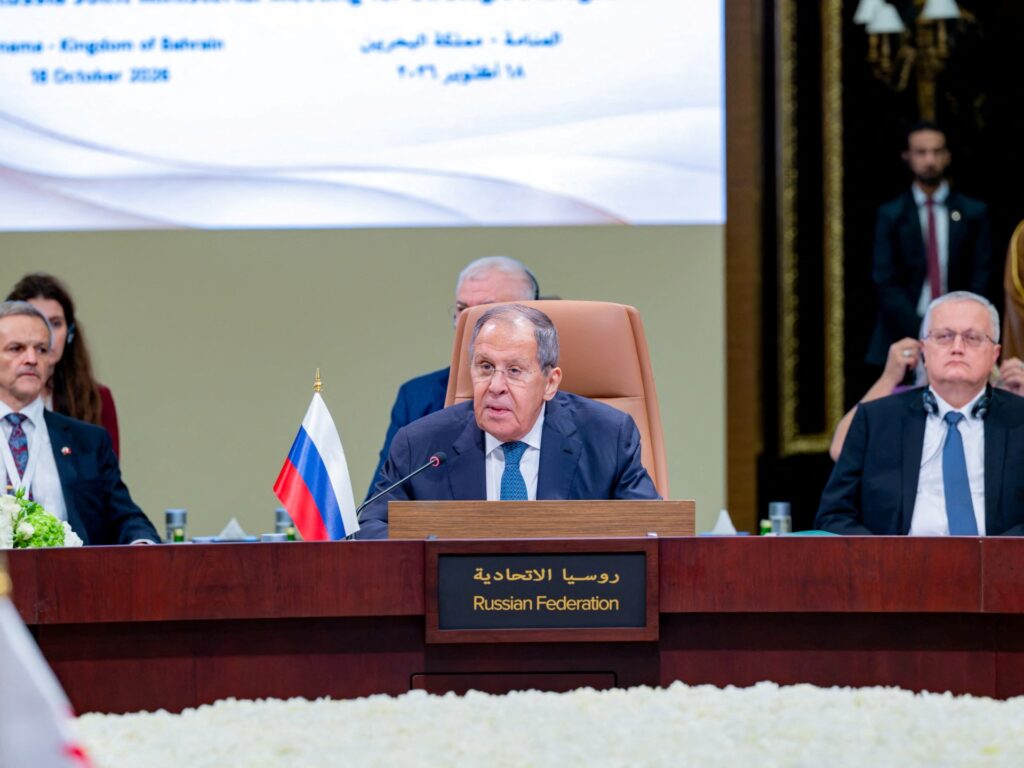
Russian Foreign Minister Sergei Lavrov is set to visit Tehran to engage in high-level talks concerning the ongoing US war and regional security issues in the Middle East. This diplomatic visit comes amid growing tensions and security concerns in the Persian Gulf region, where Iranian attacks have increased, disrupting maritime activities.
One of the focal points of Lavrov’s discussions will be the efforts to stabilize the Strait of Hormuz, a strategic chokepoint for global oil shipments that has seen escalating threats due to Iranian military actions. The Gulf Cooperation Council (GCC) states have urged Moscow to play a proactive role in halting these attacks and facilitating the safe passage of vessels through the strait.
Moscow’s involvement is seen as critical given Russia’s influential position in the region and its strategic partnership with Iran. During Lavrov’s visit, diplomatic efforts will likely concentrate on reducing hostilities, promoting dialogue among regional actors, and seeking pathways to reopen the Strait of Hormuz to secure uninterrupted trade routes.
The discussions will also address the broader implications of US military presence and actions in the Middle East, with Russia aiming to assert its role as a key power broker capable of mediating conflict resolution. By advocating for increased regional security and stability, Russia hopes to bolster its geopolitical influence while addressing the security concerns of its Gulf allies.
Lavrov’s negotiations in Tehran symbolize an attempt to bridge gaps between conflicting parties and to prevent further escalation of tensions that threaten international trade and security. The success of these talks could pave the way for a renewed framework of cooperation aimed at ensuring peace and economic stability in this volatile region.