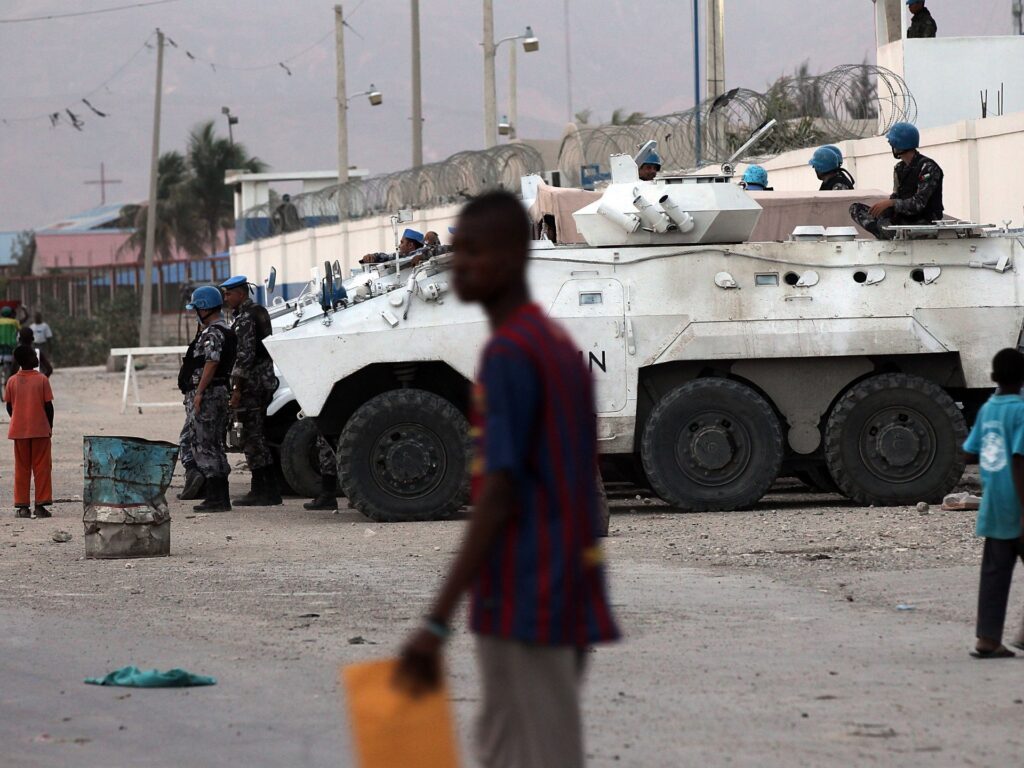
The United Nations has raised serious security concerns in Haiti following a surge in violent attacks targeting security personnel and escalating instability in the country. A senior UN official has warned of a deteriorating security situation as armed gangs intensify retaliatory attacks, posing significant challenges ahead of the upcoming elections.
Haiti has been grappling with a complex web of violence driven by deeply entrenched gang networks that control large swaths of the capital and other regions. In recent weeks, these armed groups have stepped up their activities, directly attacking police stations and security forces with increasing frequency and brutality.
The UN’s warning comes at a critical time as Haiti prepares for elections intended to restore political stability. However, the pervasive insecurity is overshadowing these democratic efforts, threatening to undermine electoral processes and the safety of both candidates and voters.
According to the UN official, security personnel have increasingly become targets of violent reprisals by gangs retaliating against law enforcement operations. This cycle of violence has heightened fears of a full-blown security crisis that could disrupt the electoral calendar and further destabilize the fragile political landscape.
The situation in Haiti is dire, compounded by socio-political turmoil, economic hardships, and natural disasters that have strained the country’s governance structures and capacity to restore order. The UN has emphasized its commitment to supporting Haiti’s government and security forces in combating gang violence and ensuring a safe environment for elections.
International efforts are also underway to bolster Haiti’s security framework. The UN and partner organizations advocate for enhanced coordination between Haitian authorities and international stakeholders to strengthen policing capabilities, protect civilians, and facilitate humanitarian aid.
Experts note that addressing Haiti’s security challenges requires a multifaceted approach—including judicial reforms, community engagement, and socio-economic development—to mitigate the root causes of gang violence and foster long-term stability.
As Haiti navigates this turbulent period, the international community watches closely, with hopes that concerted security measures and political dialogue can pave the way for peaceful elections and a return to normalcy.
The UN’s call for vigilance underscores the urgency of reinforcing security and protecting democratic processes in Haiti amid ongoing violence. Without significant intervention and cooperation, the risk of escalating unrest remains high, jeopardizing the country’s fragile path to recovery.