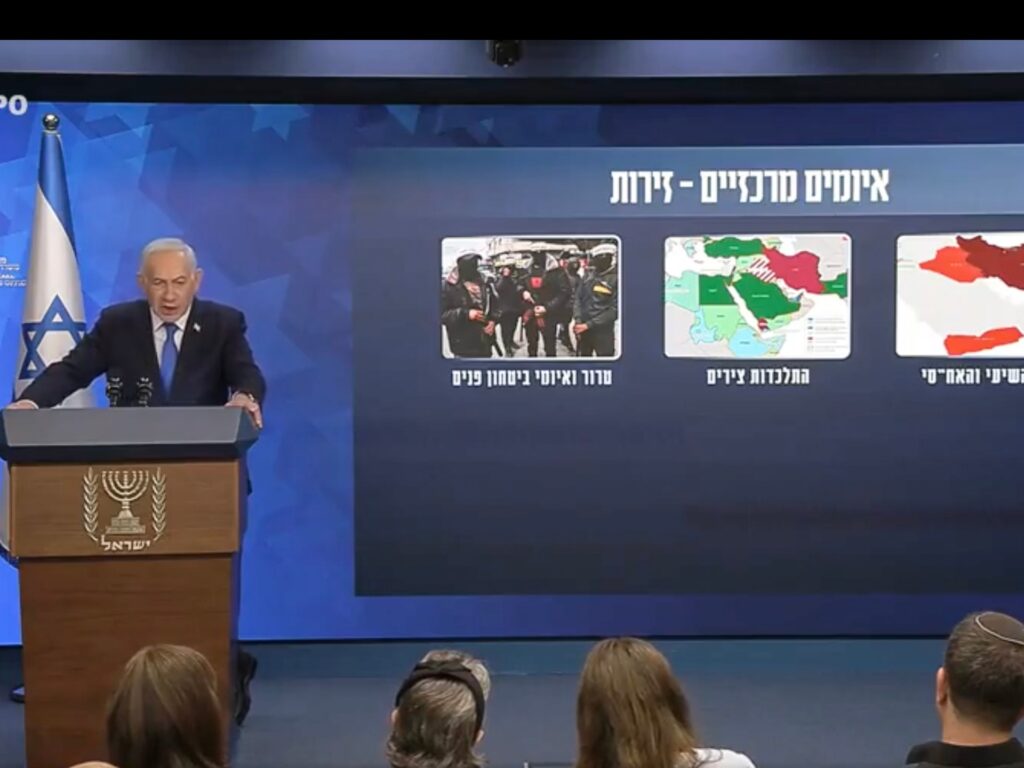
As Israel approaches its upcoming elections, Prime Minister Benjamin Netanyahu has put forth a new security doctrine that has caught significant attention both domestically and internationally. Experts and analysts are debating whether this strategy represents a genuine shift in regional security policy or is primarily a political maneuver aimed at strengthening Netanyahu’s position in the electoral arena.
Netanyahu’s new security doctrine outlines a vision for enhanced cooperation between Israel and several countries in the Middle East, including some Gulf states, with whom Israel has recently normalized relations. This proposed map of alliances emphasizes shared concerns about Iran’s influence and regional instability. The doctrine suggests increased intelligence sharing, joint military exercises, and economic partnerships, projecting an image of a united front against common threats.
Supporters of the doctrine argue that it reflects a pragmatic approach to Israel’s security needs in a complex and volatile region. They highlight that Netanyahu is leveraging historic diplomatic breakthroughs, such as the Abraham Accords, to create durable partnerships that might help curtail Iranian ambitions and reduce direct confrontations.
However, critics question the timing and substance of this security doctrine. Many experts point out that the release coincides strategically with the election cycle, raising suspicions that it is designed more to appeal to nationalist and right-wing voters than to address pressing security challenges. They argue that while the rhetoric is bold, the actual policy initiatives may lack concrete plans for implementation or measurable outcomes.
The political context is integral to understanding this doctrine. Netanyahu is currently facing a contentious electoral campaign marked by allegations of corruption and a highly polarized electorate. Presenting a robust security agenda could be an attempt to divert public attention from domestic issues and to bolster his image as a strong leader capable of safeguarding Israel’s future.
In addition, some analysts note that the doctrine sidesteps some of the most contentious issues in Israeli security policy, such as the ongoing conflict with the Palestinians and the complexities of international diplomacy with Iran. By focusing on the regional alliances narrative, Netanyahu may be seeking to simplify the discourse and to consolidate support among parties that prioritize security above all else.
International reactions have been mixed. Some regional leaders welcome Israel’s overtures toward cooperation, seeing potential benefits in stability and economic growth. Others remain wary, viewing the doctrine as a sign of deepening regional rivalries under the guise of alliance-building.
As election day nears, the true impact of Netanyahu’s security doctrine remains to be seen. Whether it will translate into substantive policy changes or simply serve as a strategic electoral tool, it undeniably plays a crucial role in shaping the narrative around Israel’s security and diplomatic posture in the Middle East.
In conclusion, Netanyahu’s new security doctrine straddles the line between a regional strategy that leverages emerging alliances and a calculated move to strengthen his electoral prospects. Its effectiveness and authenticity will depend on how the policy evolves post-election and whether it can deliver tangible security benefits amidst a turbulent geopolitical landscape.