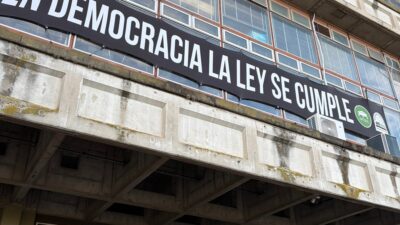
Tensions flared in Buenos Aires as protesters took to the streets demanding the government enforce a law aimed at increasing funding for universities. The protest, which began peacefully, quickly escalated into clashes between demonstrators and law enforcement officials. Participants expressed frustration over the insufficient financial support for higher education, calling on authorities to prioritize academic institutions to improve education quality and accessibility.
The law in question, passed but yet to be fully implemented, is intended to provide substantial resources to universities across Argentina. Advocates argue that increased funding is crucial for research development, infrastructure improvements, and ensuring fair access for students from diverse socio-economic backgrounds. The lack of full enforcement of this legislation has sparked widespread dissatisfaction among students, teachers, and educational advocates.
As the demonstrations grew in size, police responded with measures to disperse the crowds, leading to confrontations including the use of tear gas and physical force. Several injuries were reported on both sides, intensifying calls for a peaceful resolution and dialogue between government officials and protest leaders.
University representatives and student organizations have urged the government to fulfill its commitments and expedite the funding process. They warn that continued delays could severely impact the quality of education and the future of Argentina’s academic institutions.
This protest is the latest in a series of actions highlighting the ongoing challenges faced by the education sector in Argentina. The government has yet to release a detailed statement addressing the protesters’ demands or plans to ensure the law’s implementation. Political analysts suggest that how the situation unfolds could have broader implications for public trust and the administration’s approach to social policy.
As calls for increased university funding grow louder, the Argentine government faces mounting pressure to act decisively to support the nation’s educational infrastructure and meet the needs of its academic community.