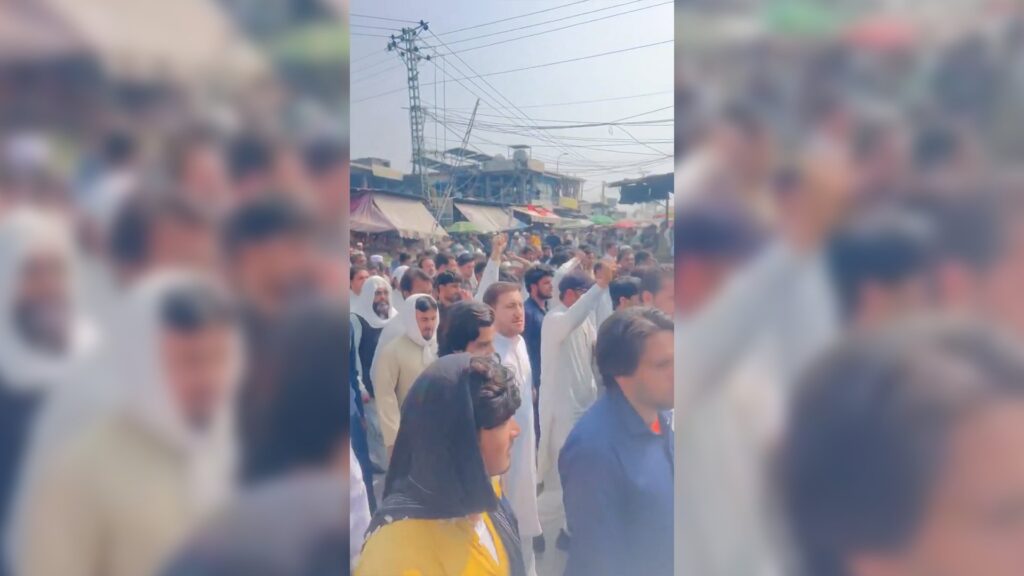
In a significant political development, Pakistan has suspended the provincial government in Khyber Pakhtunkhwa, which is led by Imran Khan’s Pakistan Tehreek-e-Insaf (PTI) party. This move comes in conjunction with the declaration of a state of emergency in the province, marking a critical turning point in the region’s governance and political landscape.
The provincial government, led by the PTI, has been a prominent force in the area, advocating for various reforms and policies under Imran Khan’s leadership. However, escalating tensions and complex political challenges appear to have prompted the federal government to take drastic measures.
The state of emergency declaration grants the federal government enhanced powers to manage the province, superseding the authority of the local government. This step is typically taken in situations where the government perceives a threat to public order or national security, suggesting underlying challenges within Khyber Pakhtunkhwa.
This suspension essentially halts the functioning of the PTI-led provincial administration, with federal authorities likely to appoint administrators or commissioners to oversee governance temporarily. The decision has sparked a range of reactions from political leaders, civil society, and residents of the province, reflecting the complexity and sensitivity of the situation.
Supporters of Imran Khan and the PTI have voiced strong opposition to the suspension, citing concerns over democratic disruption and accusing the federal government of political victimization. Conversely, proponents argue that the move is necessary to restore stability and address pressing issues within the province.
The background to this decision includes ongoing political struggles between PTI and federal authorities, compounded by administrative challenges and security concerns in the province. Khyber Pakhtunkhwa, known for its strategic significance and diverse population, has experienced political volatility in recent years.
Observers note that the suspension of a democratically elected government and the imposition of a state of emergency could have wide-reaching implications for governance, democratic norms, and political dynamics in Pakistan. The move raises questions about the balance of power between provincial autonomy and federal oversight.
International reactions are also anticipated as global stakeholders watch closely how Pakistan manages its internal political crises. The implications for regional stability and international relations are considerable, given Khyber Pakhtunkhwa’s geographic and political importance.
Looking ahead, the duration and conditions of the state of emergency remain unclear, as does the timeline for restoring provincial governance. The federal government has indicated that the measure is temporary and aimed at stabilizing the region.
This development marks a critical juncture for Pakistan’s democracy and poses significant challenges for Imran Khan’s PTI party, which has historically enjoyed strong support in Khyber Pakhtunkhwa. The political and social ramifications of this suspension will likely unfold in the coming weeks and months, shaping the future trajectory of both the province and the country as a whole.