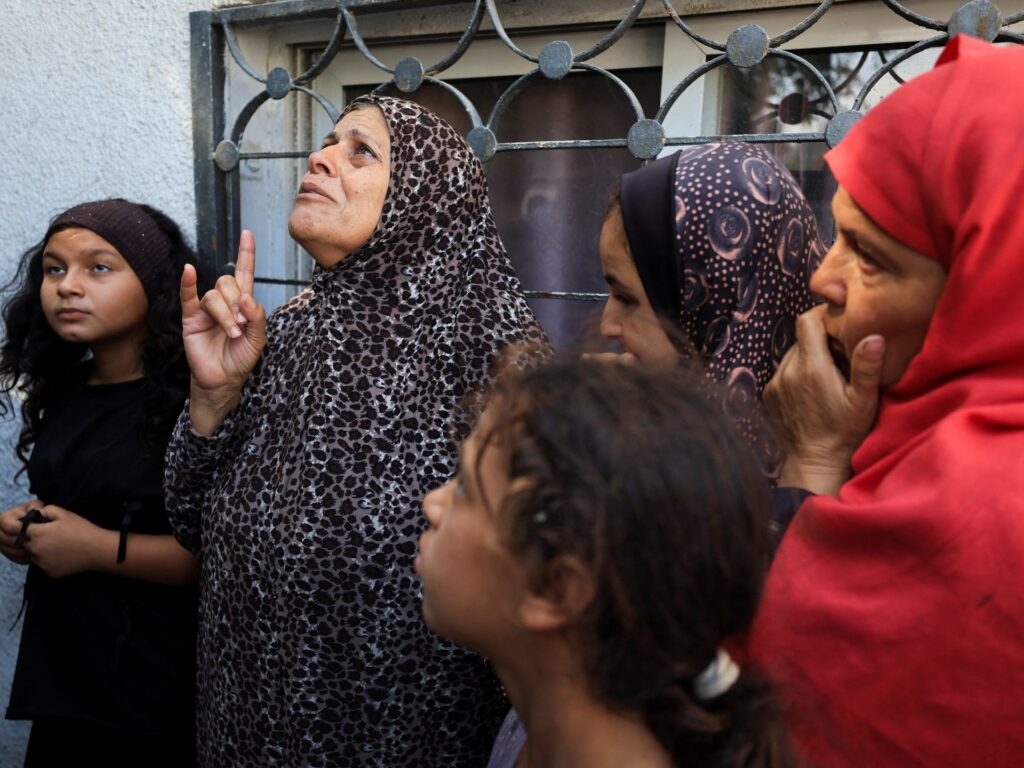
On the anniversary of the ceasefire between Israel and Palestinian factions, tragic violence has once again claimed lives in Gaza. Among seven people killed in Israeli attacks was a child, highlighting the ongoing conflict’s devastating impact on civilians. Gaza’s Health Ministry reported that at least 1,481 Palestinians have been killed in Israeli military actions since the ceasefire was declared last year, underscoring the fragile and volatile nature of the temporary peace.
The anniversary, which should have been a moment for reflection and hope, instead marked continued bloodshed in the region. The Israeli Defense Forces carried out airstrikes targeting what they described as militant infrastructure, but the attacks resulted in significant civilian casualties, including women and children.
In Gaza, the health ministry is overwhelmed with the casualties, reporting that the healthcare system struggles to cope with the steady influx of wounded and deceased. Hospitals face shortages of medical supplies and personnel, complicating efforts to provide adequate care.
The international community has repeatedly voiced concern over the cyclical nature of the violence and has called for renewed efforts toward a lasting peace. Yet, despite ceasefire agreements aimed at halting hostilities, localized clashes and military actions have persisted.
Palestinian leaders condemn the continuous Israeli strikes, demanding an immediate cessation of aggression and compassionate engagement over negotiation. Israeli authorities cite security concerns and the need to dismantle militant capabilities to protect their citizens.
The death toll of 1,481 Palestinians since the ceasefire reflects not only the human cost but also the broader geopolitical tensions that fuel such conflicts. Children, often the most vulnerable, bear the brunt of the violence, with many being orphaned or wounded.
Human rights organizations have criticized all parties for failing to uphold international humanitarian laws designed to protect civilians during armed conflicts. The United Nations has urged both sides to respect ceasefire agreements and prioritize the safety and well-being of innocent people caught in the crossfire.
As Gaza commemorates the ceasefire anniversary, the mood is somber. Memorials are held for those lost, and calls for peace are poignantly expressed, even as uncertainty hangs over the region’s future.
The ongoing violence serves as a grim reminder that despite numerous ceasefire declarations, true peace remains elusive. To break this cycle, substantial political dialogue, trust-building measures, and international mediation are essential.
For now, the people of Gaza remain resilient amid hardship, hoping for a day when ceasefire anniversaries mark true peace rather than renewed suffering.