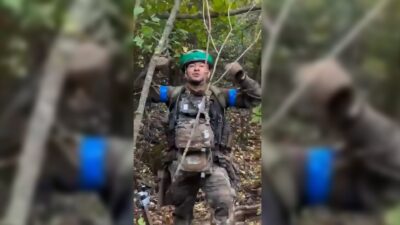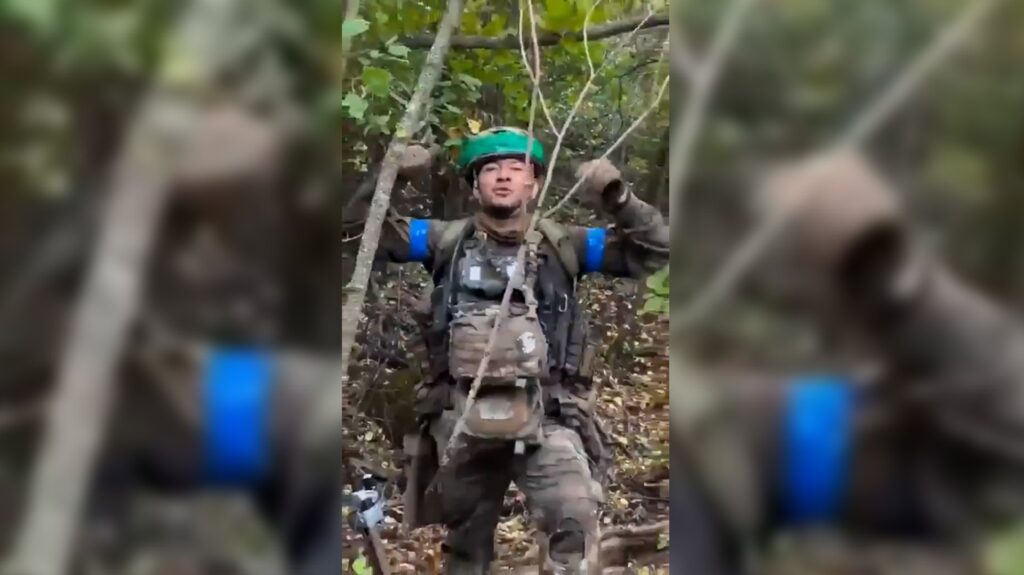
Mexican authorities have launched an investigation into a viral video purportedly showing cartel-affiliated mercenaries engaged in combat in Ukraine. The video, which has rapidly circulated on social media platforms, depicts a group of fighters chanting slogans associated with Mexican drug cartels while operating on the battlefield in Ukraine.
This development raises significant concerns about the global reach and involvement of organized criminal groups beyond their traditional territories. It highlights the possibility that cartel members might be participating in international conflicts, potentially as mercenaries, adding complexity to global security issues.
The Mexican government is currently verifying the authenticity of the footage and identifying the individuals involved. Officials are working with international law enforcement agencies to determine whether these fighters are indeed cartel members and how they became involved in the conflict in Ukraine.
Experts suggest that cartels have diversified their operations over the years, branching into activities that may include paramilitary roles, either to gain tactical advantages or as part of alliances with other illicit organizations abroad. This alleged cartel presence in Ukraine could imply strategic interests or alliances extending into Eastern Europe.
The investigation also focuses on the implications for both Mexican national security and international relations. If proven true, cartel involvement in foreign conflicts could exacerbate violence and complicate efforts to combat transnational crime.
Social media has played a significant role in spreading the video, demonstrating how digital platforms can amplify incidents involving criminal activities globally. This case underscores the challenges authorities face in controlling misinformation and tracking militant actors across borders.
The Mexican justice system is poised to take legal action should the identities and activities of these individuals be confirmed. This move is pivotal in addressing the potentially expanding footprint of Mexican cartels on the world stage.
Meanwhile, Ukraine’s conflict zone has drawn fighters from various international backgrounds, but the presence of cartel-affiliated combatants marks a troubling evolution.
Further investigations will aim to uncover the motives, funding, and recruitment methods behind cartel members fighting abroad. Authorities are also examining whether these individuals are acting independently or under orders from cartel leadership.
Mexico’s investigation serves as a critical reminder of the entwined nature of global conflicts and transnational crime, highlighting the need for enhanced cooperation between nations to address such multifaceted threats.
As the probe continues, both Mexican and international communities await more concrete evidence that could provide clarity on this alarming situation. The potential cartel involvement in Ukraine might reshape understandings of both cartel operations and the international dimensions of the Ukrainian conflict.
This case opens new dialogues on security, enforcement, and the interconnectedness of criminal enterprises worldwide. Governments are urged to strengthen intelligence sharing and cross-border legal frameworks to mitigate such risks in the future.
The viral video acts as a catalyst for renewed scrutiny of cartel activities and their unexpected intersections with geopolitical crises. It demonstrates the evolving and dynamic nature of crime in the modern era, challenging traditional perceptions and enforcement strategies.